MuConsultancy · Applied research
Breath slows. Light shifts.
We measure the state.
We design and run studies of how sound, light, space and breath change the nervous system. EEG, heart, skin and breath record the shift. PRYSM checks every number. We report only what holds.
Measured, not promised.
- 10 yrs
- of applied projects, 2016–2026
- 27
- projects shown below, described plainly
- 6
- signal families: EEG, HRV, EDA, breath, self-report, biomarkers
- 15
- integrity guards in PRYSM v2
What we do
Five things.
Done in order.
MuConsultancy is the research arm of MuLabs. We work with brands, venues, practitioners and technology makers who want to know what their experience does to people. We are a research and consultancy service. We do not diagnose or treat.
Study design & protocol
We turn your question into a protocol: who takes part, what they do, what we measure and when. Primary outcomes are written down before any data is opened.
Ethics- and GDPR-ready set-up
Consent that covers the real use. Data-protection terms in the contract. Pseudonymised data from day one. For work meant for publication: ethics review and pre-registration before the first recording.
Data collection
In the lab, in your venue or online. 19-channel and wearable EEG. ECG and HRV. Skin conductance. Breathing. Validated questionnaires. Saliva and urine biomarkers when the protocol needs them.
Analysis through PRYSM
Every dataset runs through PRYSM, our analysis pipeline. Exact statistics for small groups. Guards that refuse the wrong method. An evidence tier on every finding.
Honest reporting
A white paper written for you, with the design stated plainly and its limits in a box. Preprints where ethics and consent allow. Null results reported as null.
How we work
Six steps.
No shortcuts.
-
Design
Question, protocol, primary outcomes. Fixed before any data exists.
-
Ethics & data protection
Ethics review and pre-registration before collection, for anything meant for publication. Consent, contract and data-protection terms for everything.
-
Measure
Sessions run by our team. Signal quality checked as the data arrives.
-
PRYSM
Data enters one canonical table. Fifteen guards inspect it. Statistics run only where they hold.
-
Human review
A second person checks every result against the code before release. Nothing leaves on autopilot.
-
Report
A white paper by default. A preprint when ethics and consent allow. The data belongs to whoever the contract says.
MuLabs PRYSM
Built to survive
being checked.
PRYSM by MuLabs: the analysis software behind every study we run.
PRYSM is the MuLabs analysis software. It takes any instrument and any small-group design. Then it asks one question first: should this test be run at all?
01 · Capture
Any instrument. One table.
EEG, HRV, Bio-Well, questionnaires, biomarkers. Each loader turns its data into one canonical table: subject, timepoint, instrument, metric, value, valid, note. Invalid rows stay on record. They never enter the primary analysis.
02 · Guard
Fifteen guards. Refuse, warn, log.
Each guard is a mistake that once reached a report. Asymptotic p-values below N = 15 are refused. Unplanned primary outcomes are flagged. Identical responses, missing timestamps and mains noise go into a Data Quality Log.
03 · Prove
Exact statistics. Evidence tiers. Withdrawn, not deleted.
Exact and permutation tests. Correction for multiple comparisons where the sample allows it. Every finding gets a tier: robust, suggestive, directional or none. Claims that fail are listed as withdrawn, with the reason.
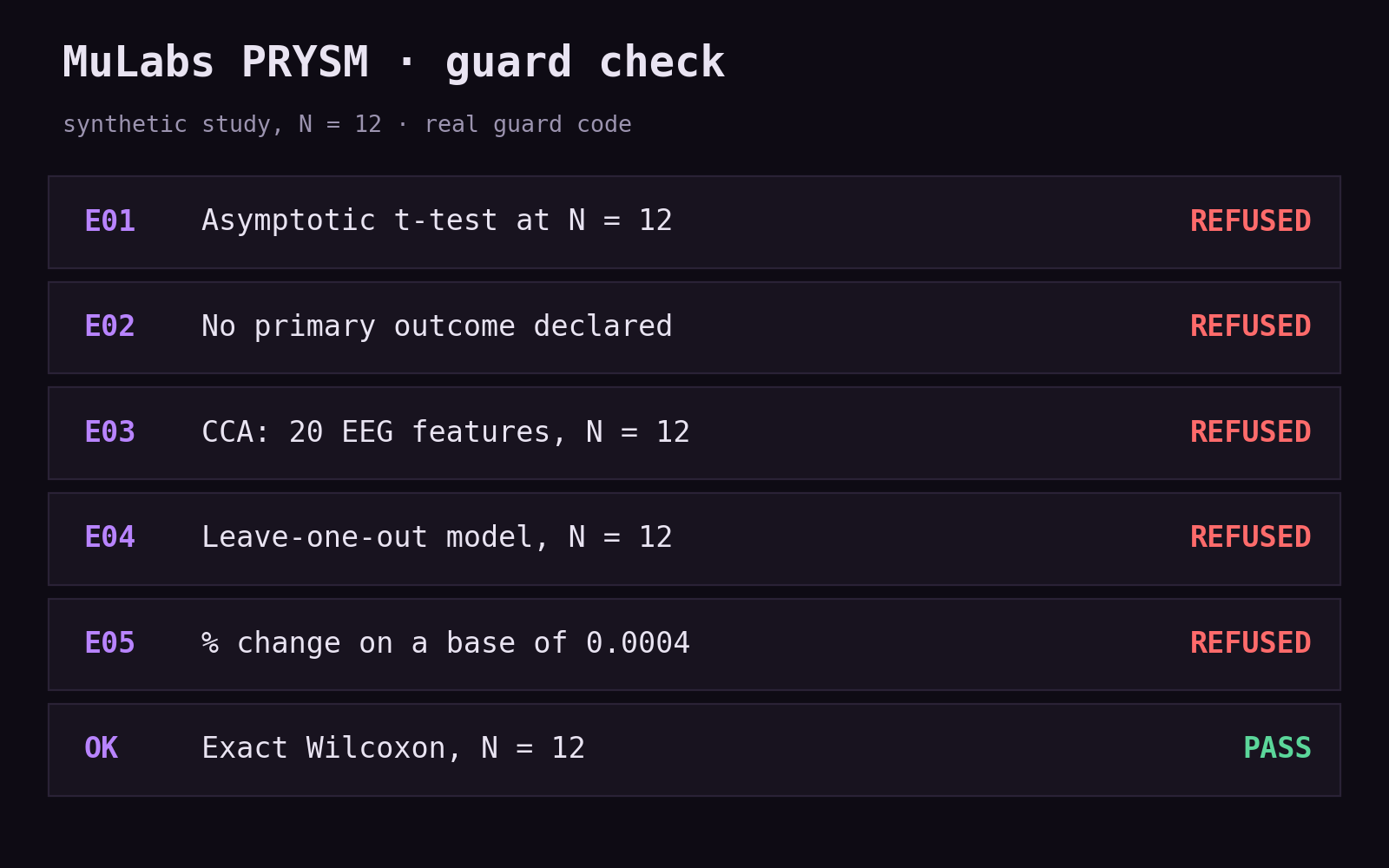
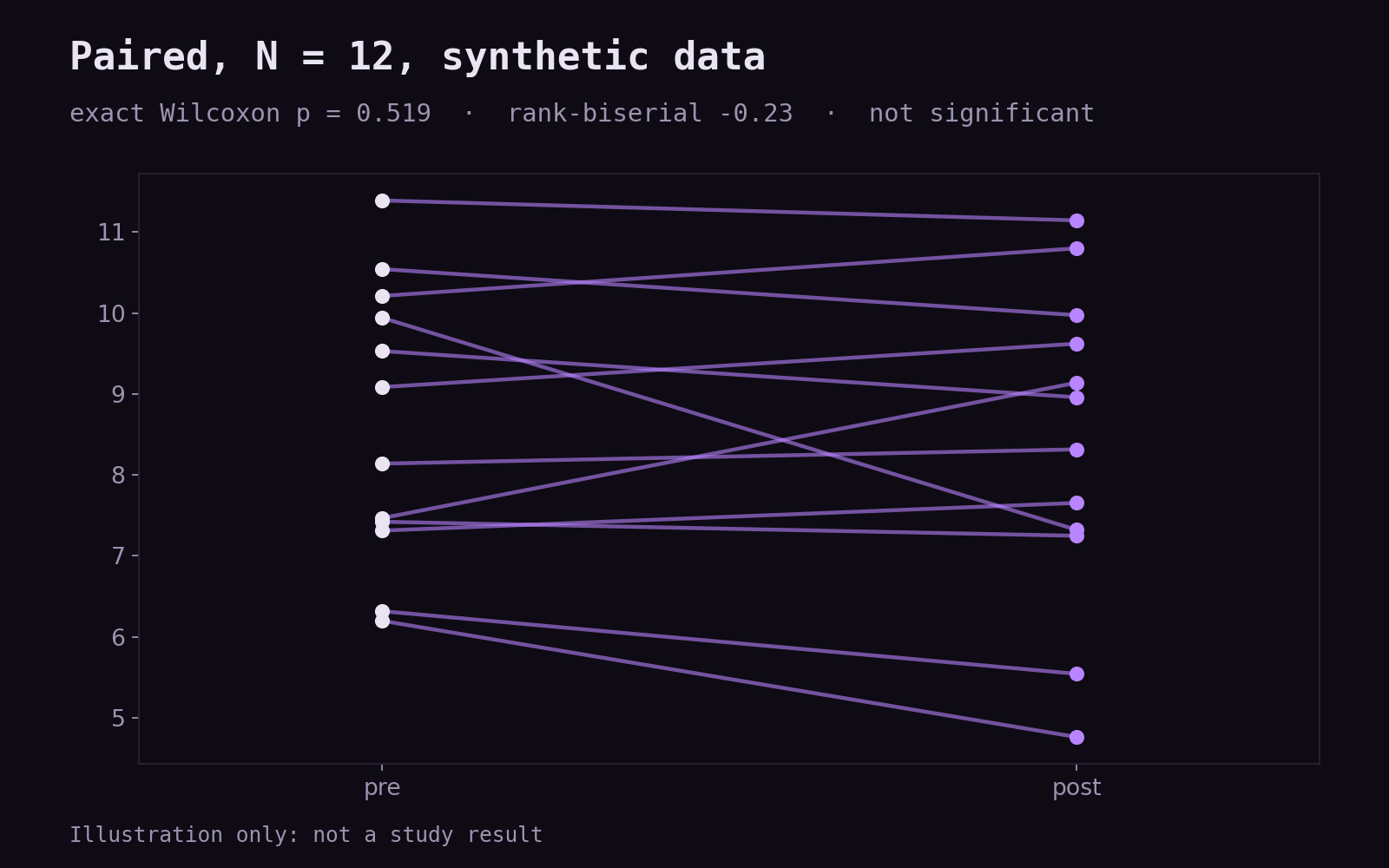
v1 presented findings.
v2 was rebuilt to survive being checked.
The fifteen guardsE · refuse W · warn Q · data quality
E01Asymptotic p-value below N = 15E02Primary outcomes not pre-specifiedE03More features than participantsE04Leave-one-out below N = 30E05% change on a near-zero baselineW01EEG band touches mains frequencyW02Trait measure in a short-window designW03Baseline predicts change (regression to the mean)W04Spread collapses after the sessionW05Subscale item contradicts its lexiconQ01Response with no timestampQ02Sum over missing valuesQ03Name not on the roster: halt and askQ04Identical responsesQ05Timestamp outside the session window
October 2026: we checked ourselves.
We re-ran our past study analyses through PRYSM v2. Versioned code. A human sign-off on each result. Where a design falls outside PRYSM, we applied its rules by hand. The guards refused methods that do not hold at small N. Some earlier claims did not survive. We withdrew them and corrected the texts that used them.
Early, real, and ours.
Technology
The instruments
we work with.
Consumer and research-grade sensors, chosen for the question rather than the spectacle, plus the live installations we build on top of them.
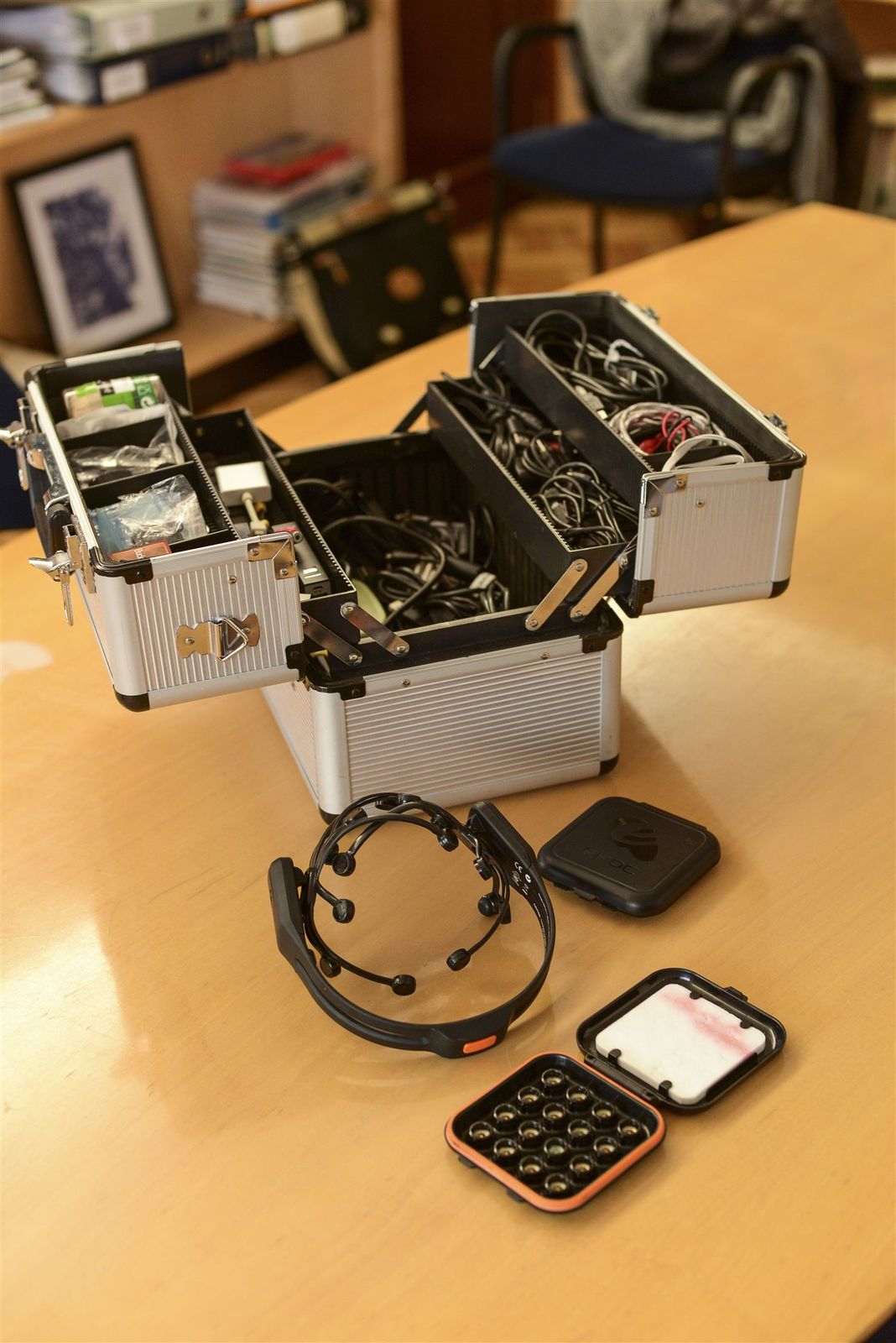
EEG
From four-channel headbands to 19-channel research caps, chosen to fit the question and the setting.
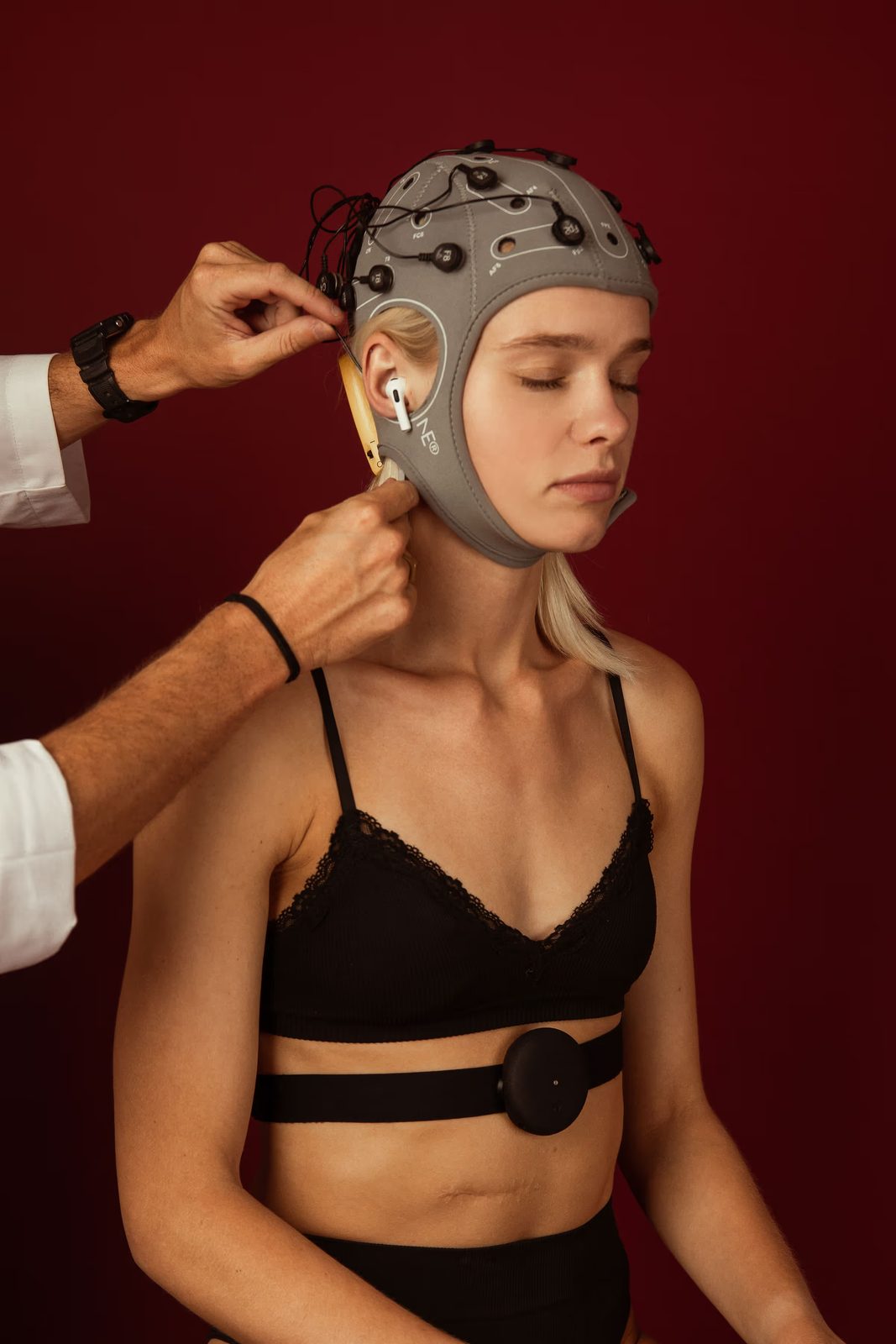
Heart rate & HRV
Chest-strap ECG and optical sensors for heart rate and heart-rate variability.
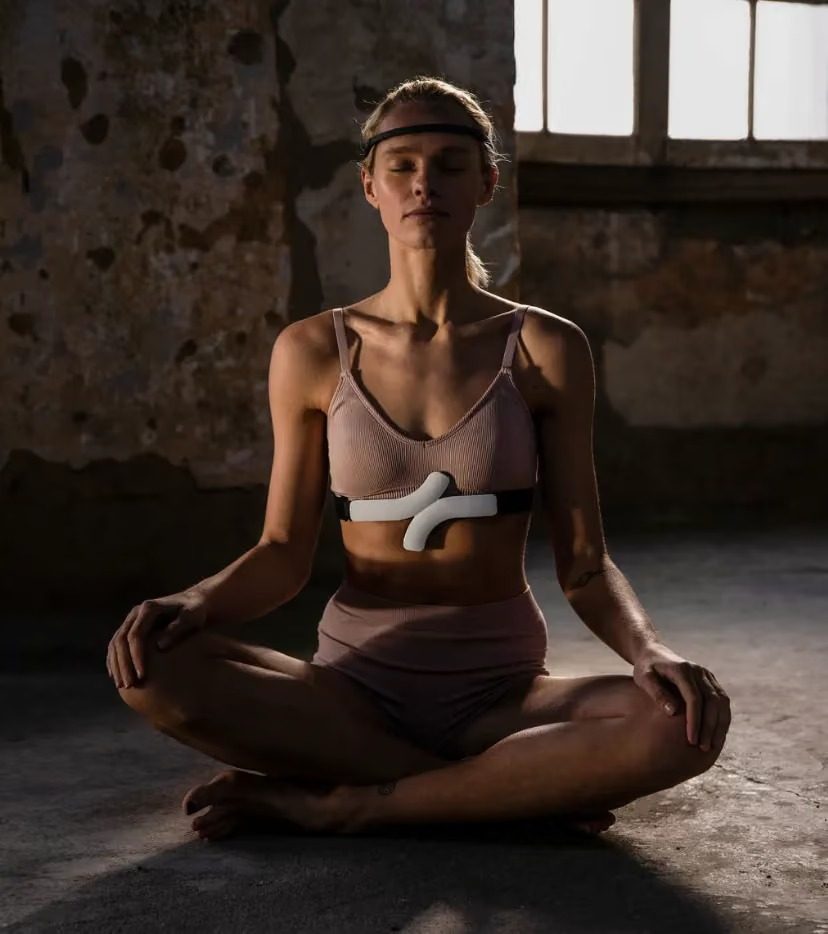
Breathing
Respiration sensors that log rate and rhythm during breathwork protocols.
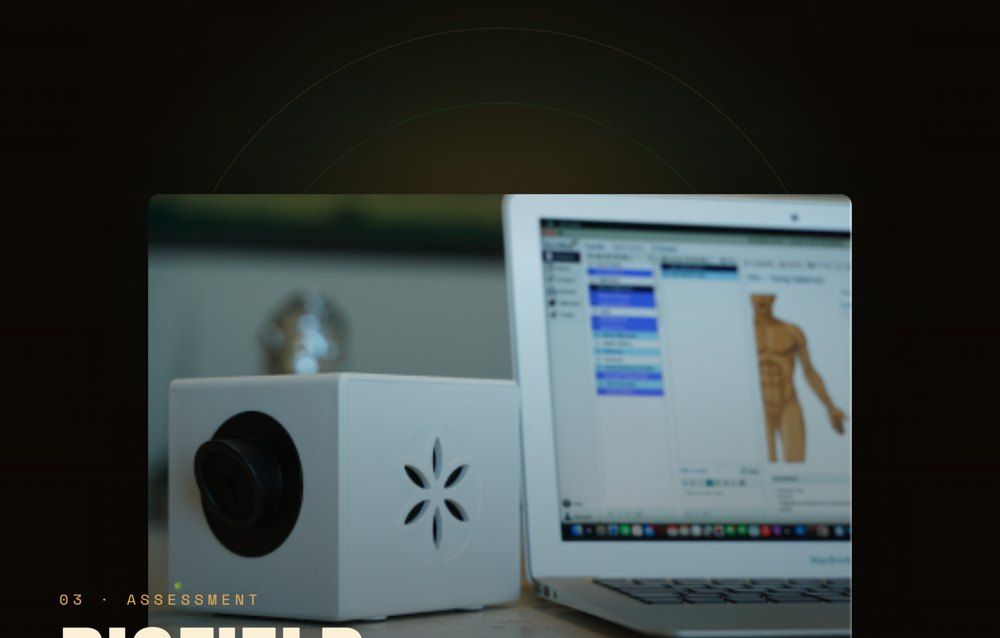
Bio-Well GDV
Gas-discharge visualisation recordings, used as an exploratory measure and never as a diagnosis.
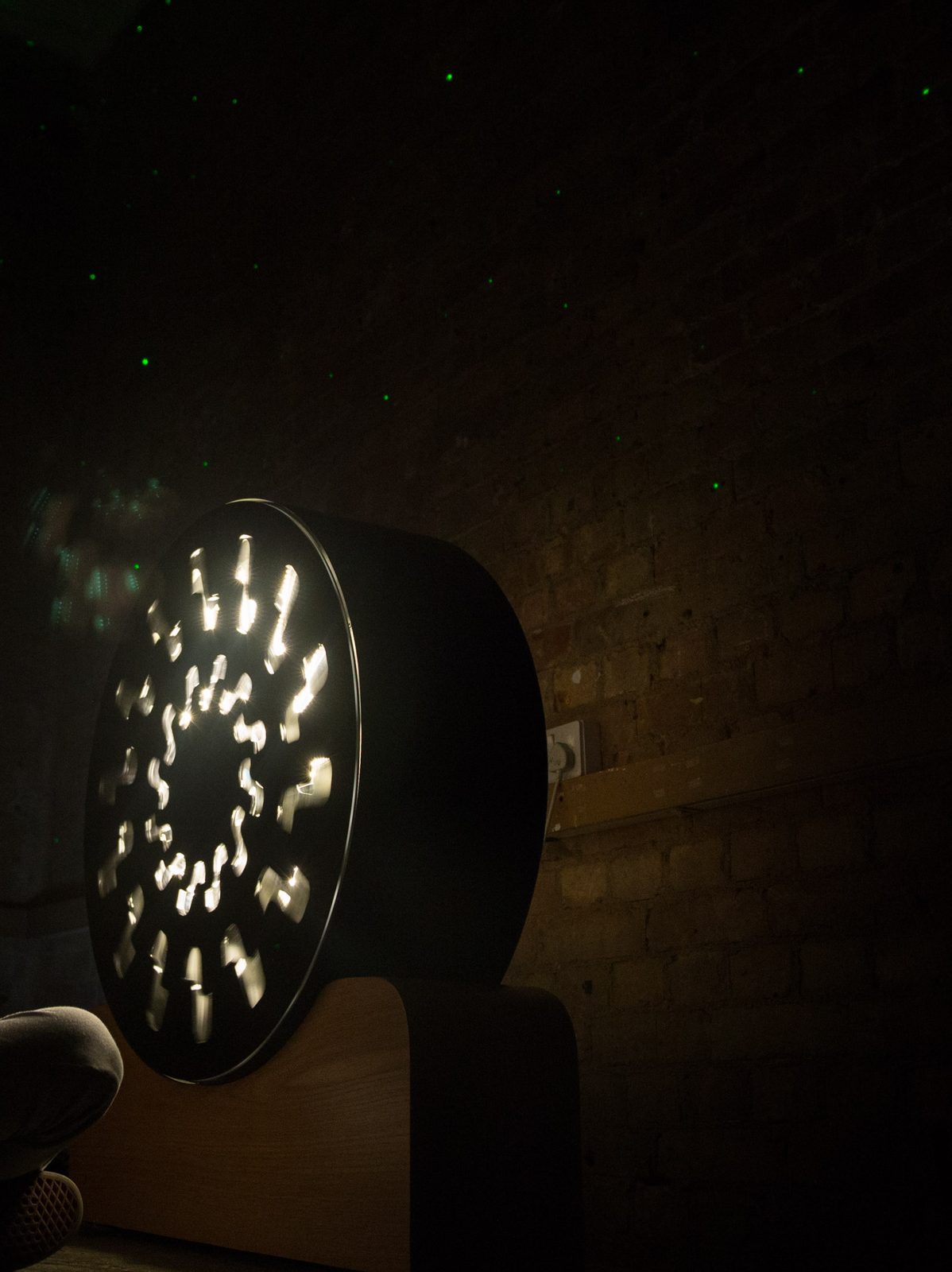
Rhythmic light
Flicker-light and light-field installations, run with photosensitivity screening.
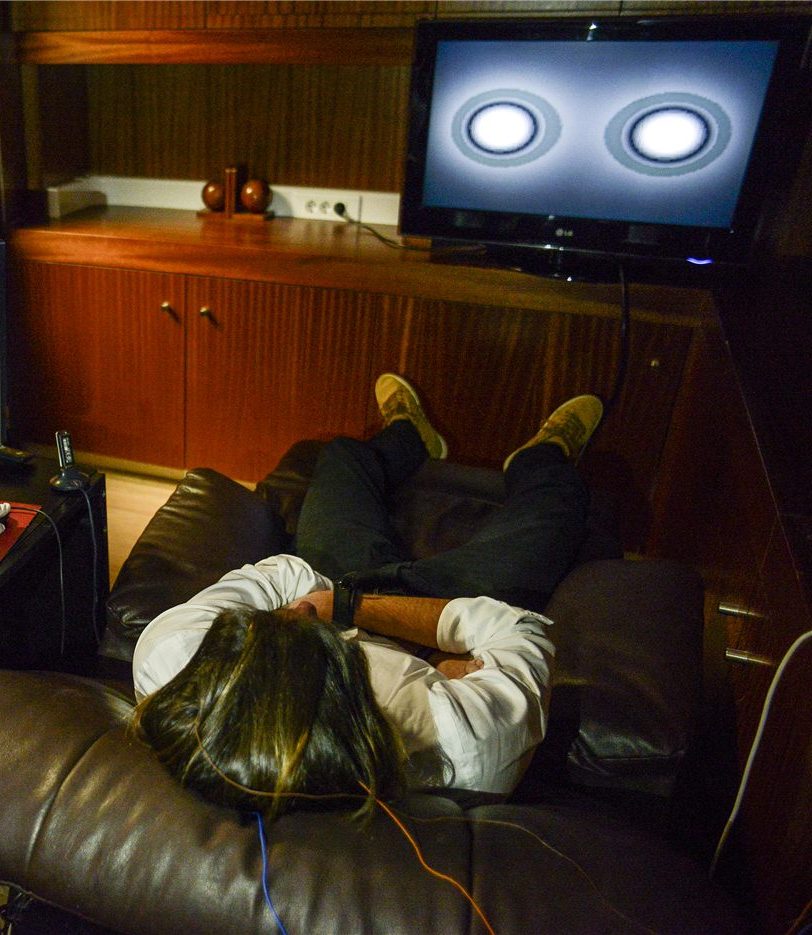
Neurofeedback
Real-time EEG feedback set-ups for training protocols and live demonstrations.
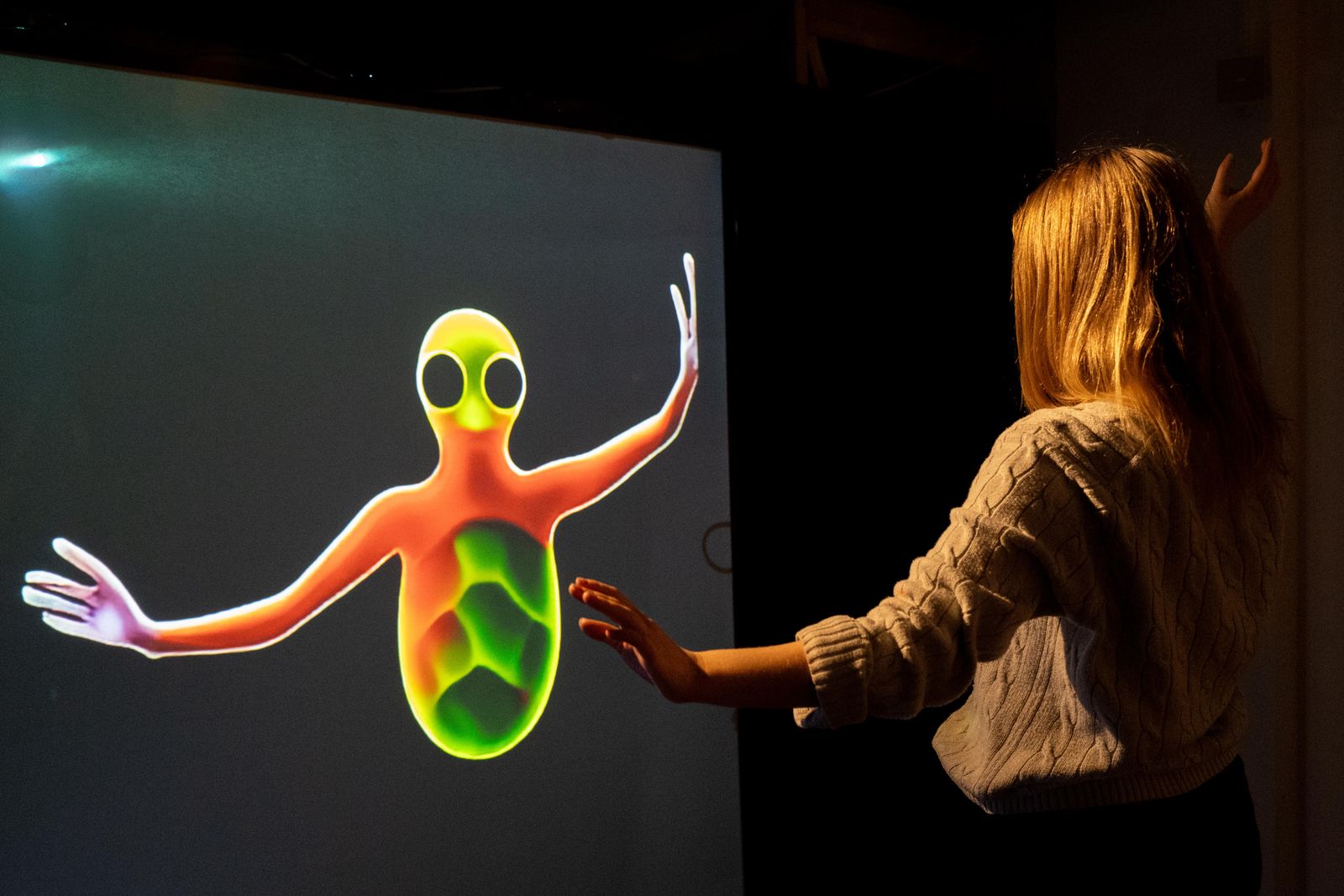
Magic Mirror
An interactive mirror that turns body movement and signals into live visuals.
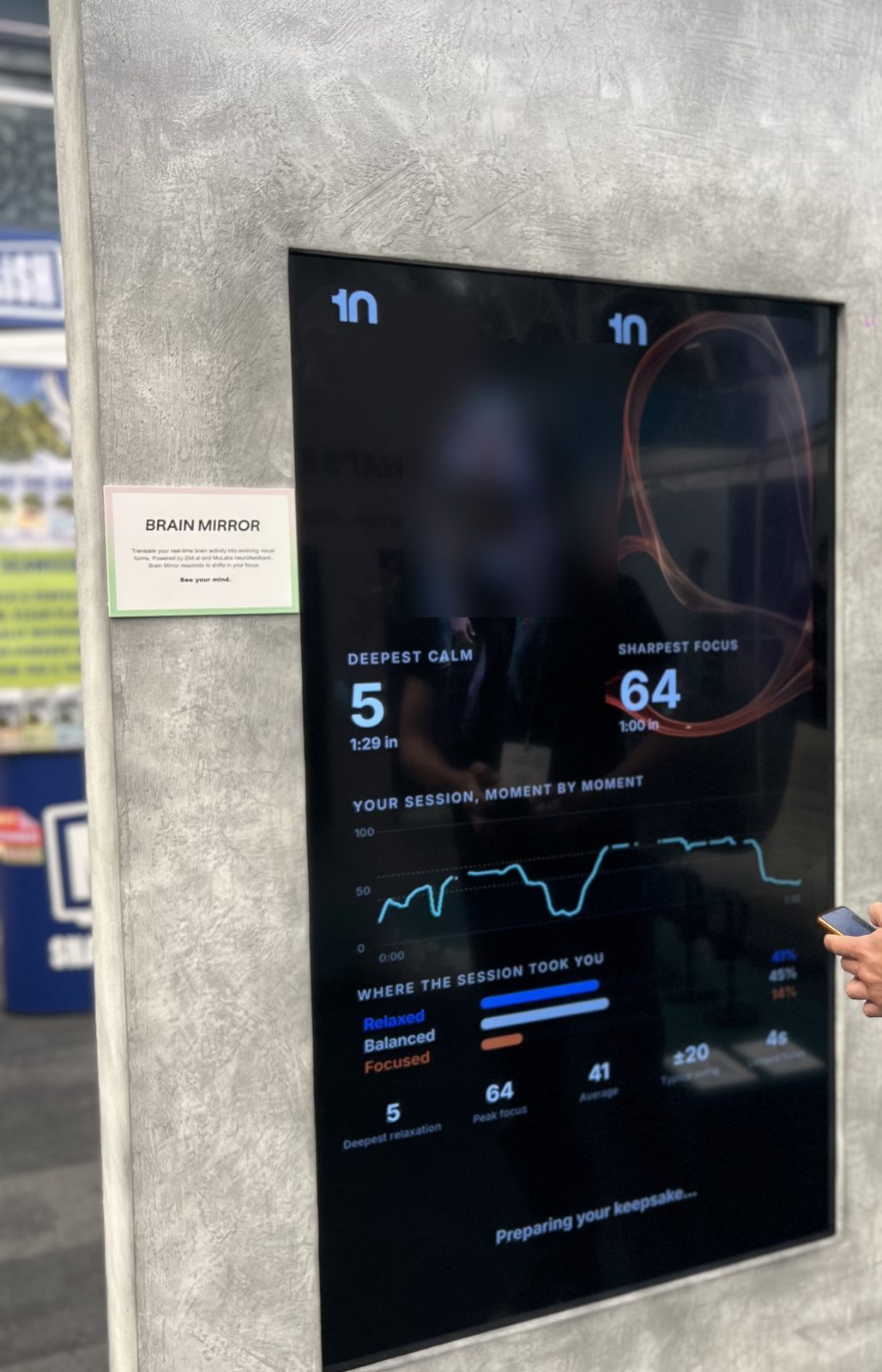
Brain Mirror
A public-facing EEG display that shows a visitor's live brain activity on screen.
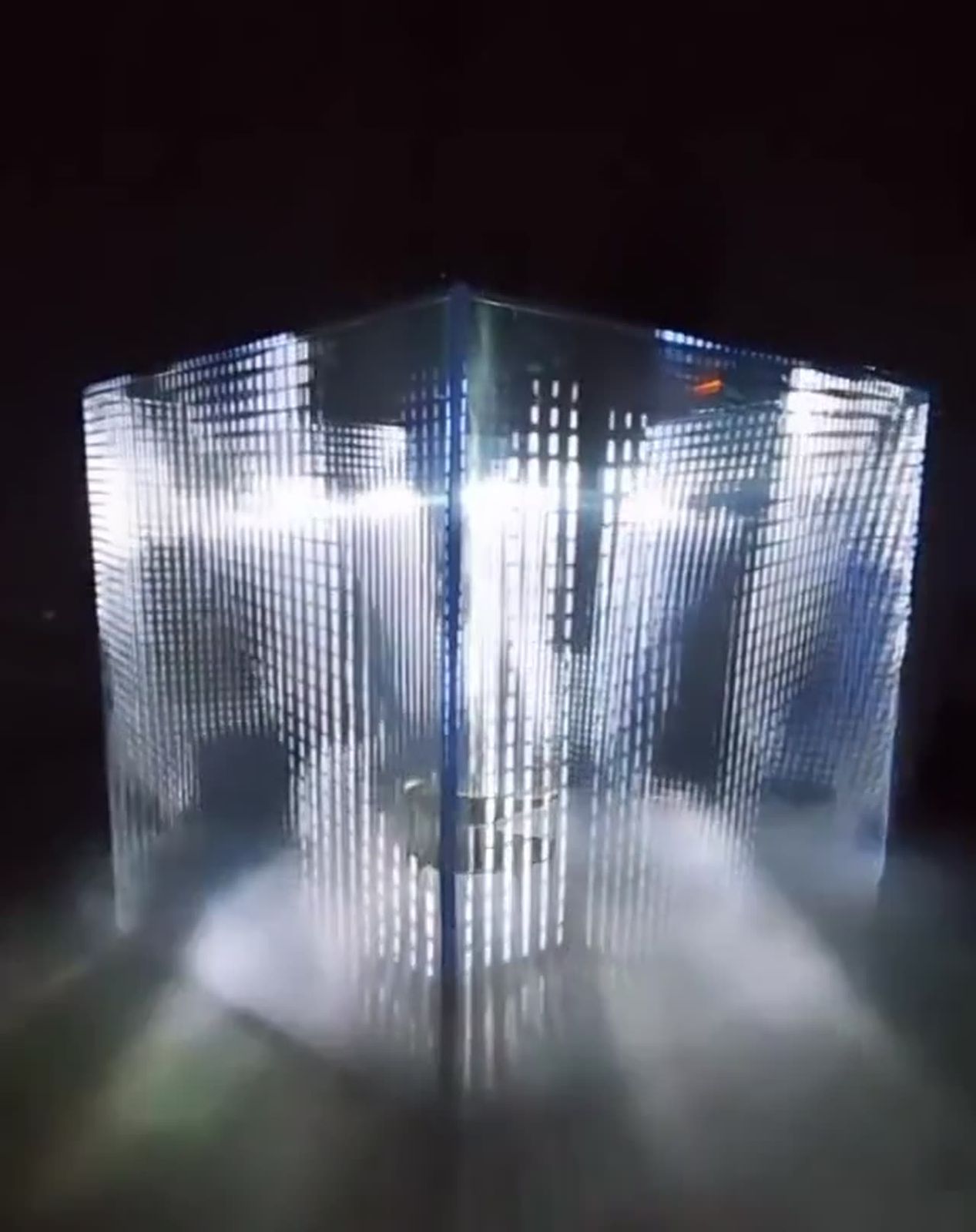
Voxel Cube
A volumetric LED cube: the medium in which Brain Mirror and Magic Mirror can run.
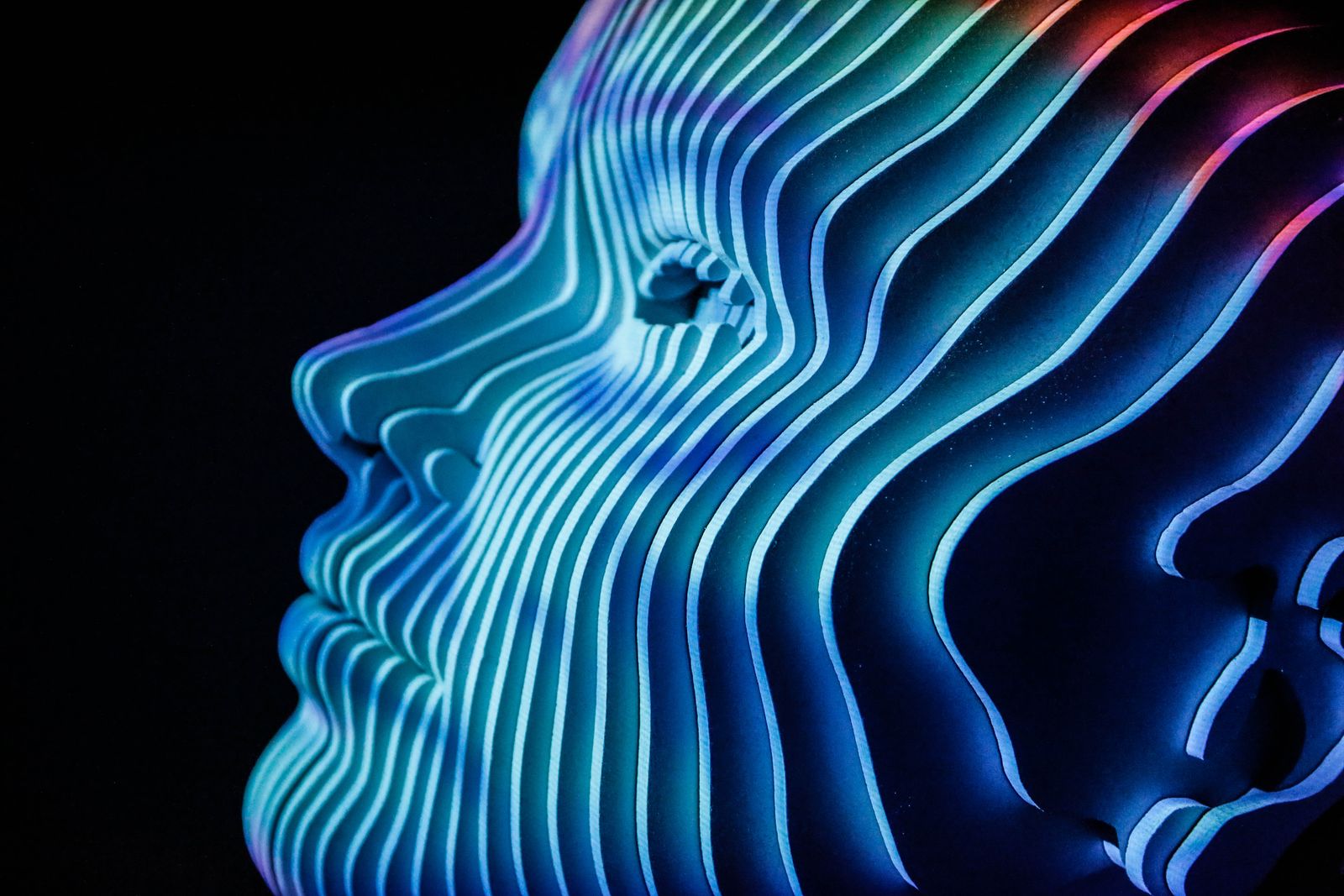
Generative visuals
Real-time visuals built in TouchDesigner and driven by live physiological data.
Portfolio
Ten years of studies.
Described plainly.
Most results belong to our clients and are unpublished. Each card says what we did, the design, and where the write-up stands. No card claims an effect. Many of these studies were run in our Lisbon lab for clients of White Mirror, the London wellbeing-innovation consultancy we have partnered with for years; for those we handled the protocol, recruitment, measurement, analysis and report.
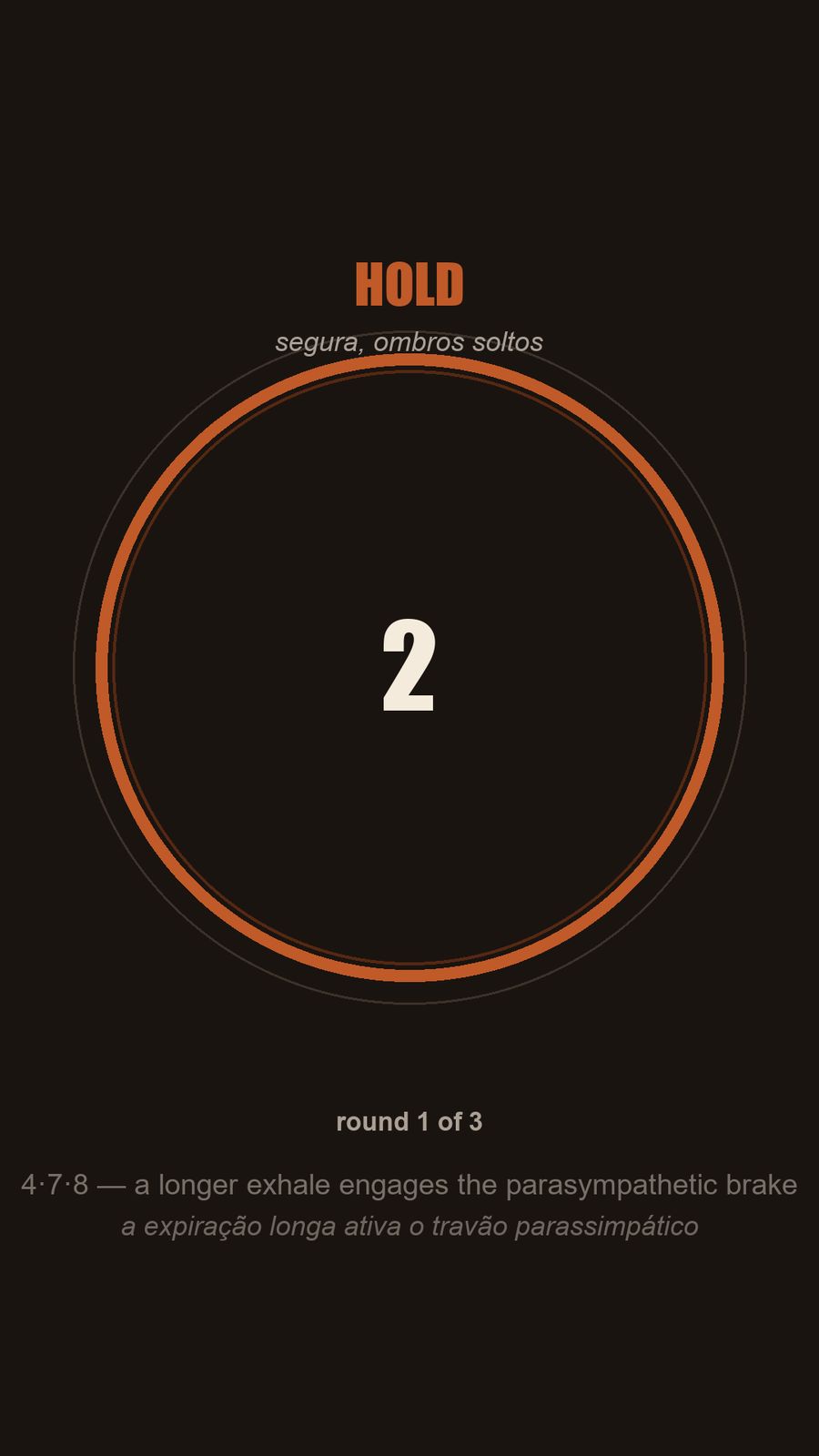
World Meditation — five-day online breathing study
Open-label randomised two-arm online study, not pre-registered: 3,027 eligible applicants computer-randomised by MuLabs; 1,218 started and 404 completed all five days. Self-report questionnaires only.
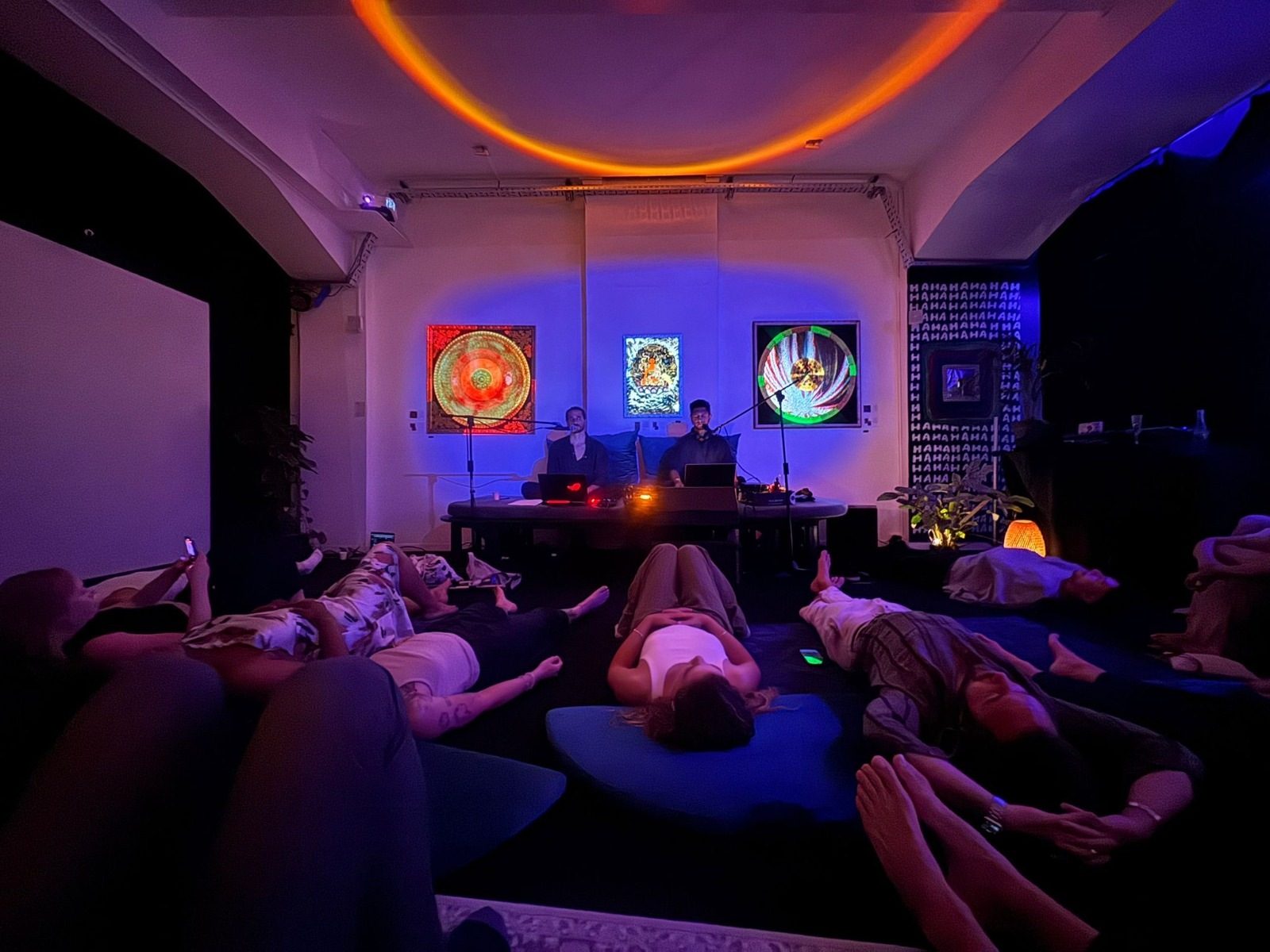
Alchemy Rewire — Breath-Mind Navigation
Partner-commissioned pilot with a counterbalanced within-subject design and no control arm: baseline, box breathing and two CO₂-tolerance techniques. 19 participants recorded (valid EEG n = 17; cortisol n = 13). EEG, heart rate/HRV, SpO₂ and salivary cortisol. Re-analysed by MuLabs in 2026 with versioned code.
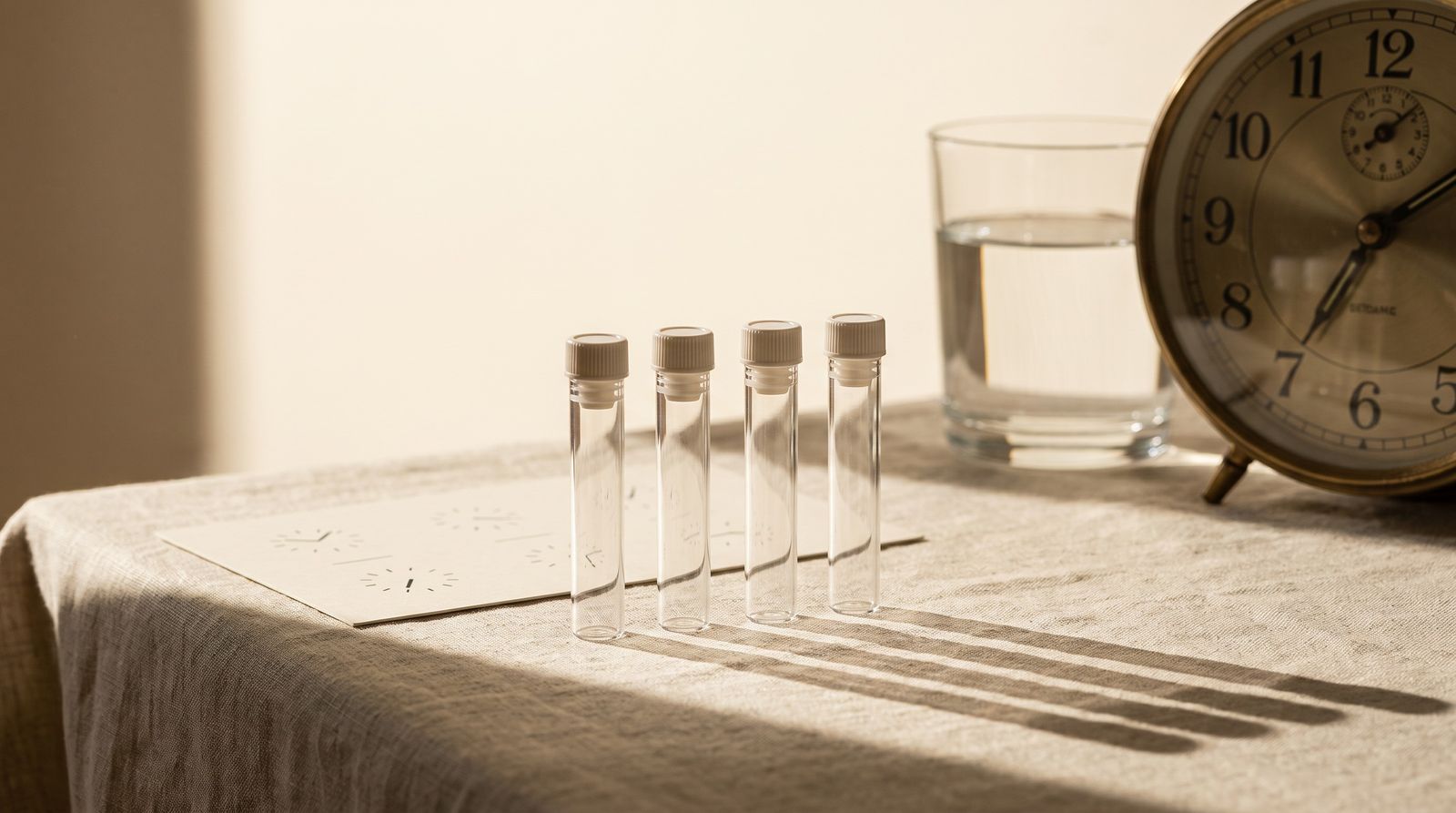
Neuroepigenetic Breathing — laboratory study
A single-group laboratory study in Lisbon (N = 40), pre/during/post, with EEG, peripheral physiology, an emotions questionnaire (DEQ) and pre/post saliva and urine sampling (cortisol, serotonin, oxytocin). Exploratory with no control group; delivered to Sajeeva Hurtado (Respiración Neuro Epigenética) as a technical report, unpublished.
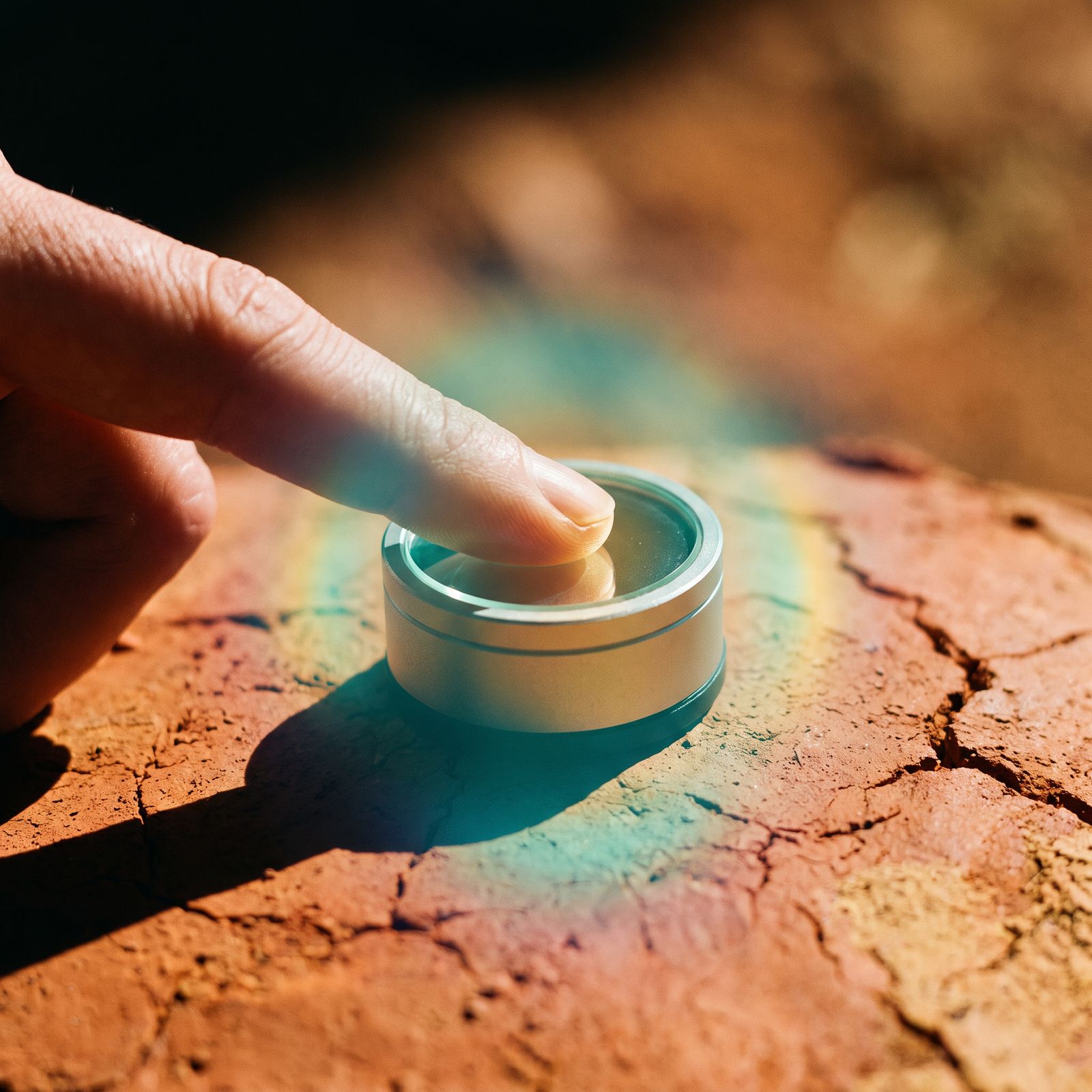
Breathwork & GDV recordings
Exploratory recordings with a Bio-Well Sputnik environmental sensor and individual GDV scans during breathwork sessions led by Sajeeva Hurtado (a retreat in the Riviera Maya and an event in Barcelona), with pre/post Bio-Well (GDV) scans at two of these events. A technical and artistic exploration without a control group; no effects are claimed and no conclusions about a 'collective field' are drawn.
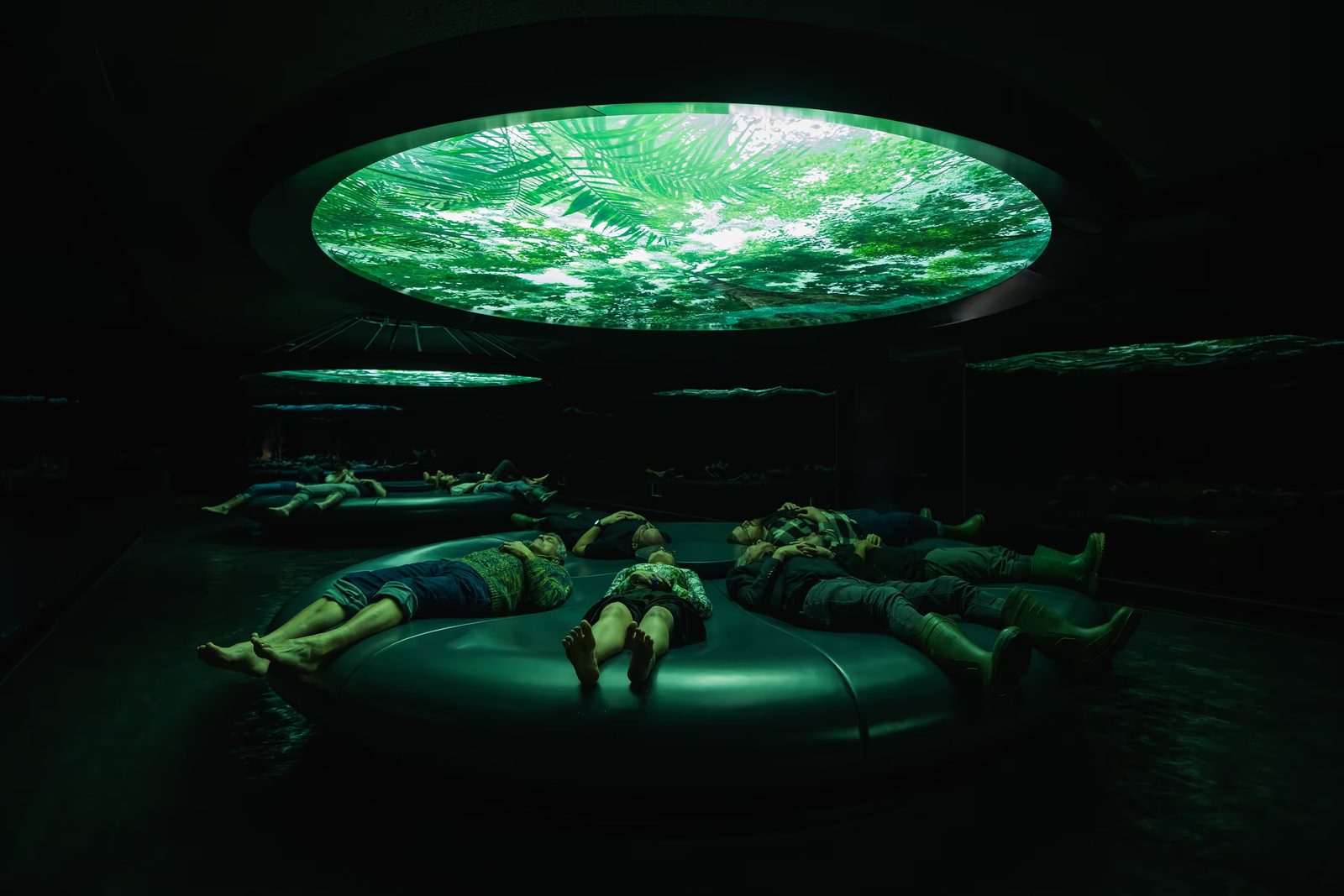
Lupuna — immersive forest room, Therme Group
Lupuna is an immersive forest room at Therme Euskirchen (Therme Group), made by the art collective Marshmallow Laser Feast with White Mirror. It is a 24-minute passage through one day in the Amazon rainforest, with spatial sound, a simulated rain shower, a projected canopy overhead and vibroacoustic loungers. Through White Mirror, we ran its psychophysiological study: 23 participants; EEG, heart rate and HRV, skin conductance, SpO₂, cortisol and questionnaires; an uncontrolled pre/post design. Report delivered to the client.
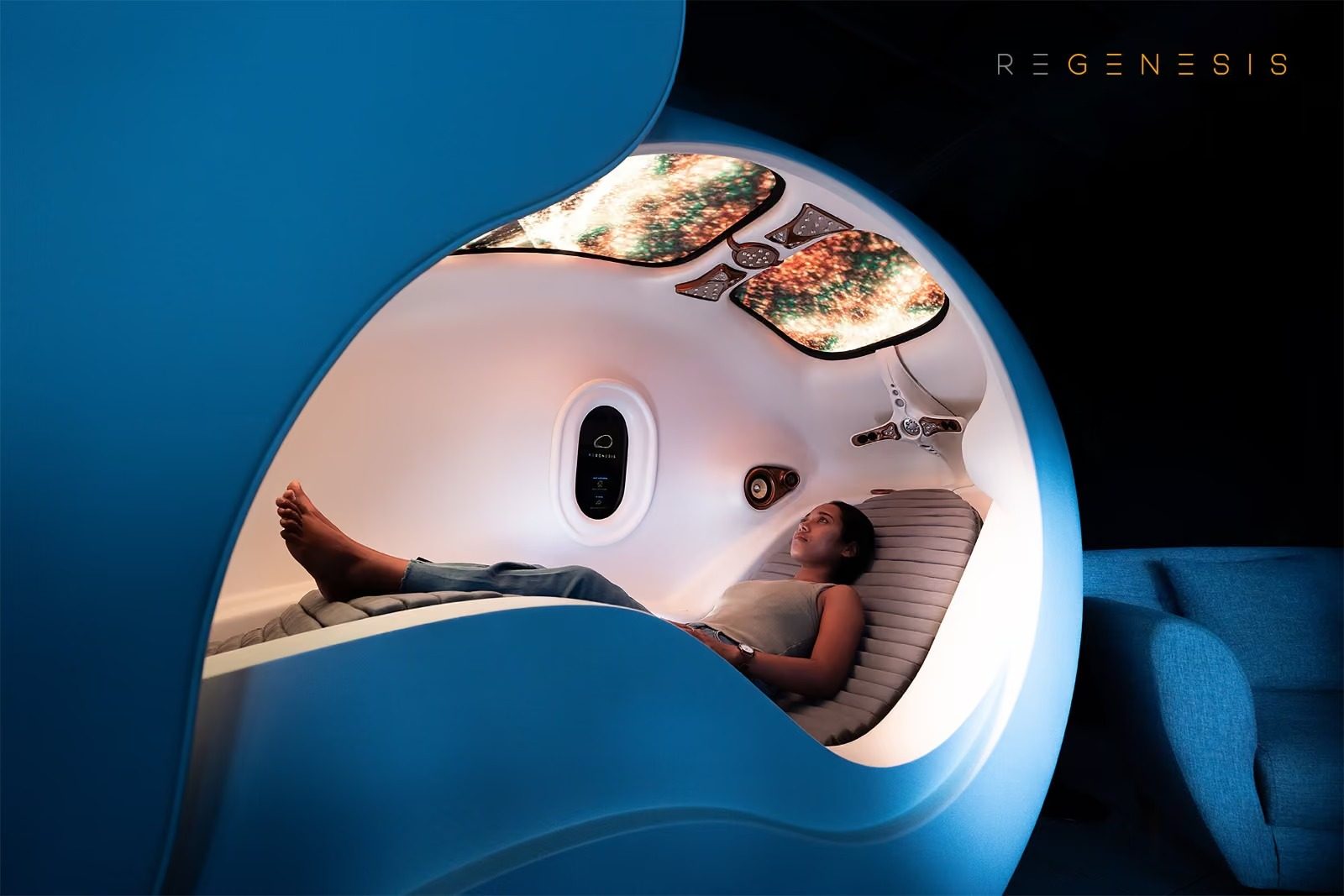
Regenesis wellness pod — two programmes
The Regenesis pod is a compact capsule that runs guided multisensory sessions, combining light, visuals, vibration, infrared heat, scent and spatial audio. White Mirror shaped the product experience, and we co-designed and ran the pilot study: 41 participants across two programmes, each with pre and post baselines; EEG, ECG/HRV, respiration, skin conductance and an emotions questionnaire (DEQ). No control group. A controlled follow-up design was drafted in 2025 (not yet run).
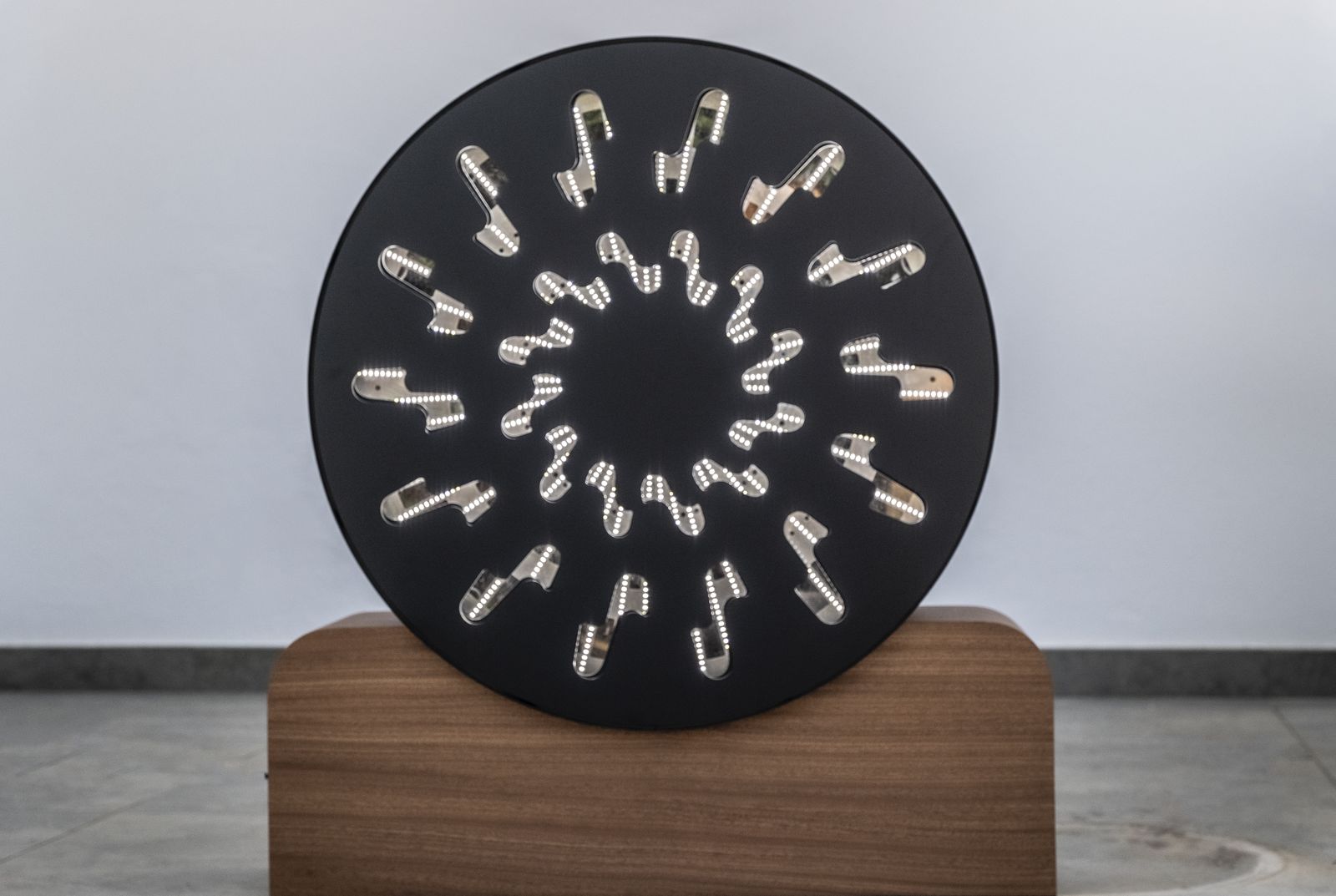
Flicker-light programmes — EEG pilot
Exploratory within-subject EEG pilot with no control group, comparing two flicker-light programmes (6 Hz and 15 Hz) with baseline, for Alpha Wave Experience, a light-experience studio in Lisbon (22 registered, 17 analysed). Re-analysed in 2026 from the available data.
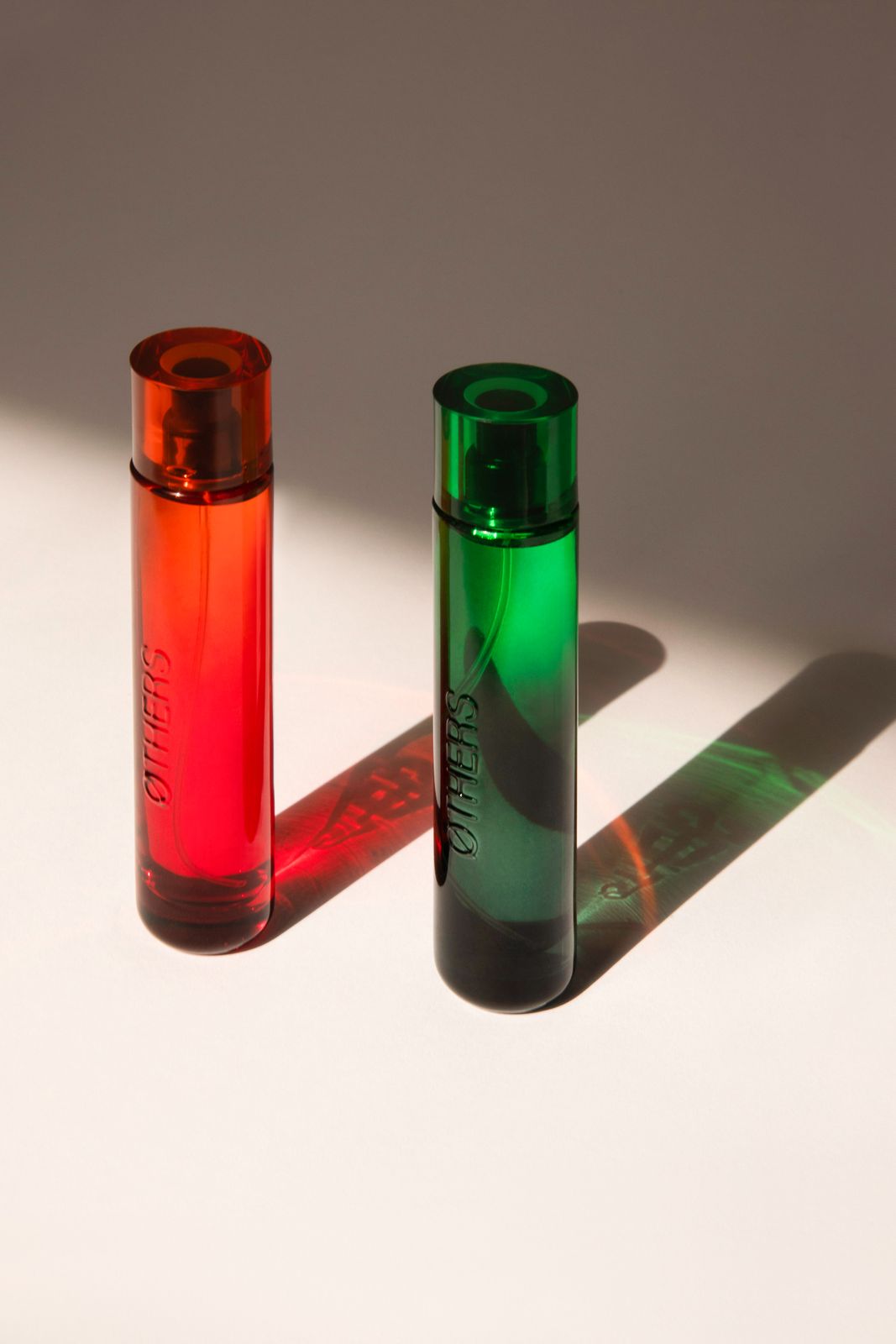
ØTHERS — functional fragrance, dual-sensory pilot
Dual-sensory pilot for the functional-fragrance brand ØTHERS (via White Mirror). Two scents were compared with a baseline, one designed for alertness and one for relaxation, each paired with its own soundscape. 20 participants, 19-channel EEG, heart rate and respiration, plus self-reported focus, relaxation and mood; no placebo condition. Exploratory, uncorrected results; used by the client in communications.
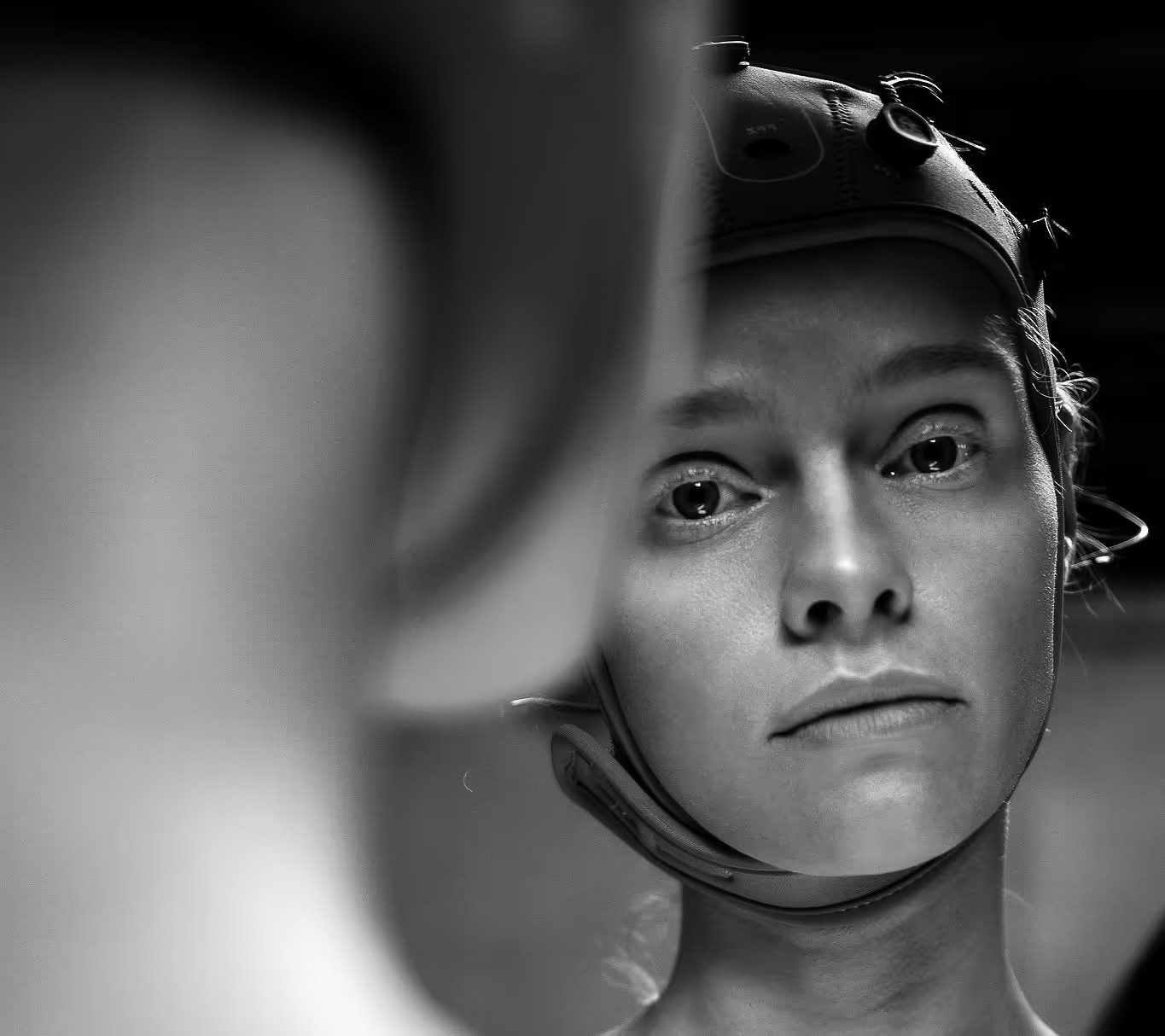
Founders' retreat — feasibility pilot
Client-commissioned feasibility pilot for a retreat programme in Madrid. Single-day within-subject design with no control: 19-channel EEG, Bio-Well/GDV and questionnaires (DEQ, PSS). Used to build and stress-test the PRYSM pipeline; results are exploratory and are not presented as intervention effects.
Zenon — handheld wellness device
Zenon study (Cristal Labs, via Harmony Quantum Health): MuLabs designed and ran an open-label pre/post pilot of a handheld wellness device, with 6-channel EEG, HRV and self-report. Report delivered to the client; unpublished.
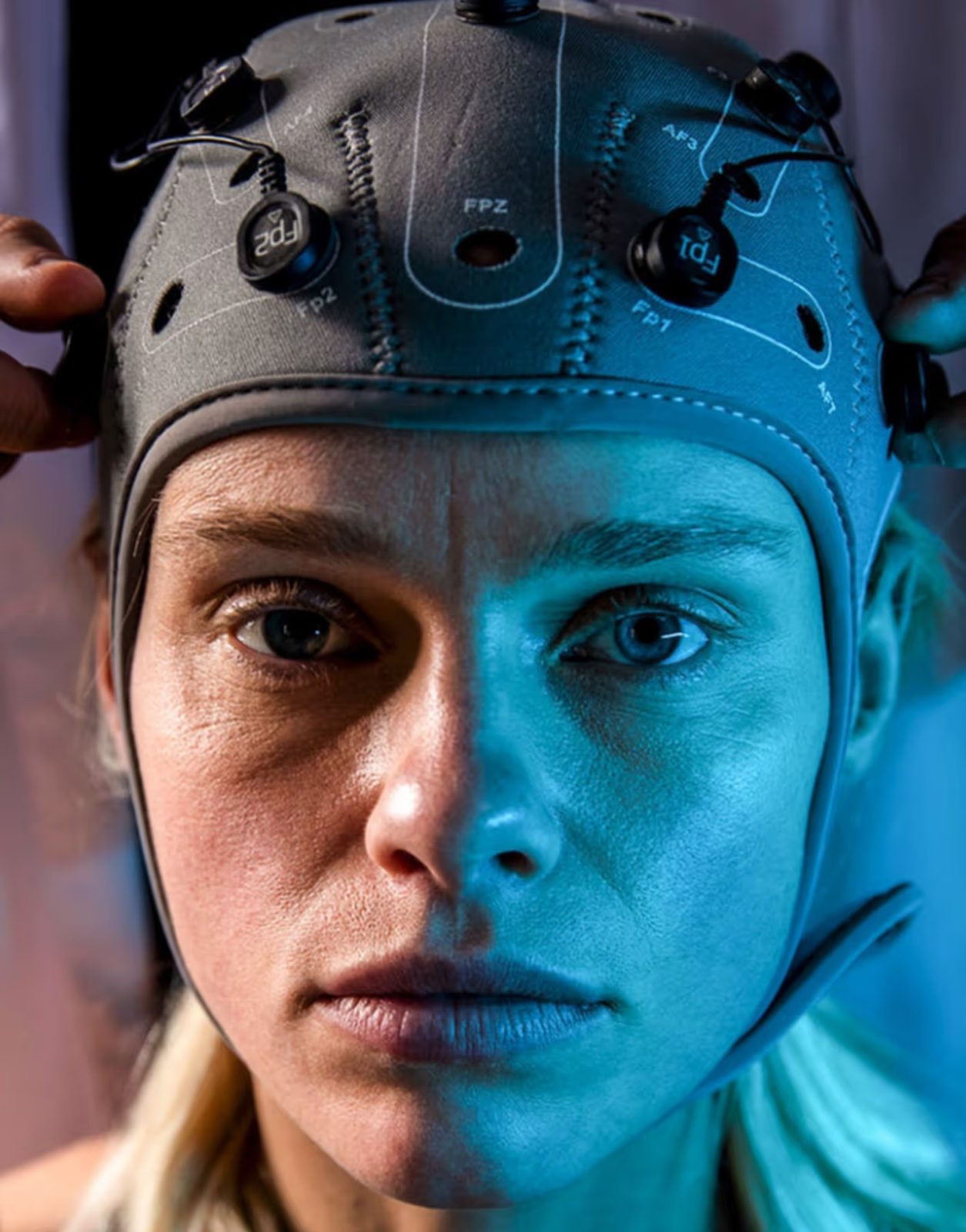
Wellness technology — feasibility pilot
Methodological feasibility pilot for a wellness-technology client: a non-medical, single-arm study with EEG/qEEG, HRV, SpO₂ and questionnaires at three timepoints. The project shaped the first version of MuLabs' PRYSM pipeline. Results owned by the client; unpublished.
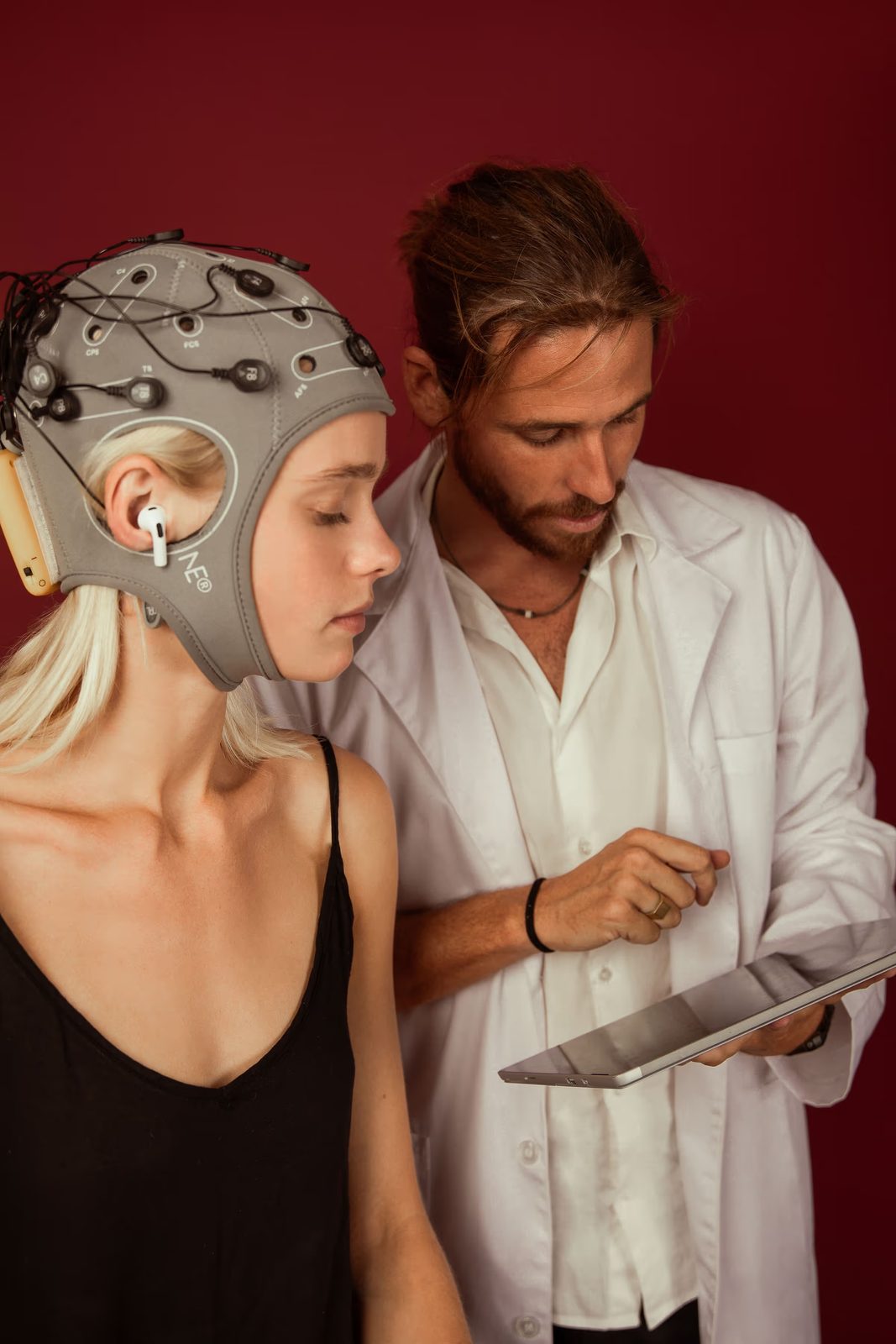
Humming — psychophysiological pilot
Psychophysiological humming pilot for the sonic-branding agency MassiveMusic and a consumer-health brand (via White Mirror): lab sessions with 19-channel EEG, ECG/HRV, skin conductance and emotion questionnaires, in an uncontrolled within-subject design. MuLabs set up the measurement and wrote the final report.
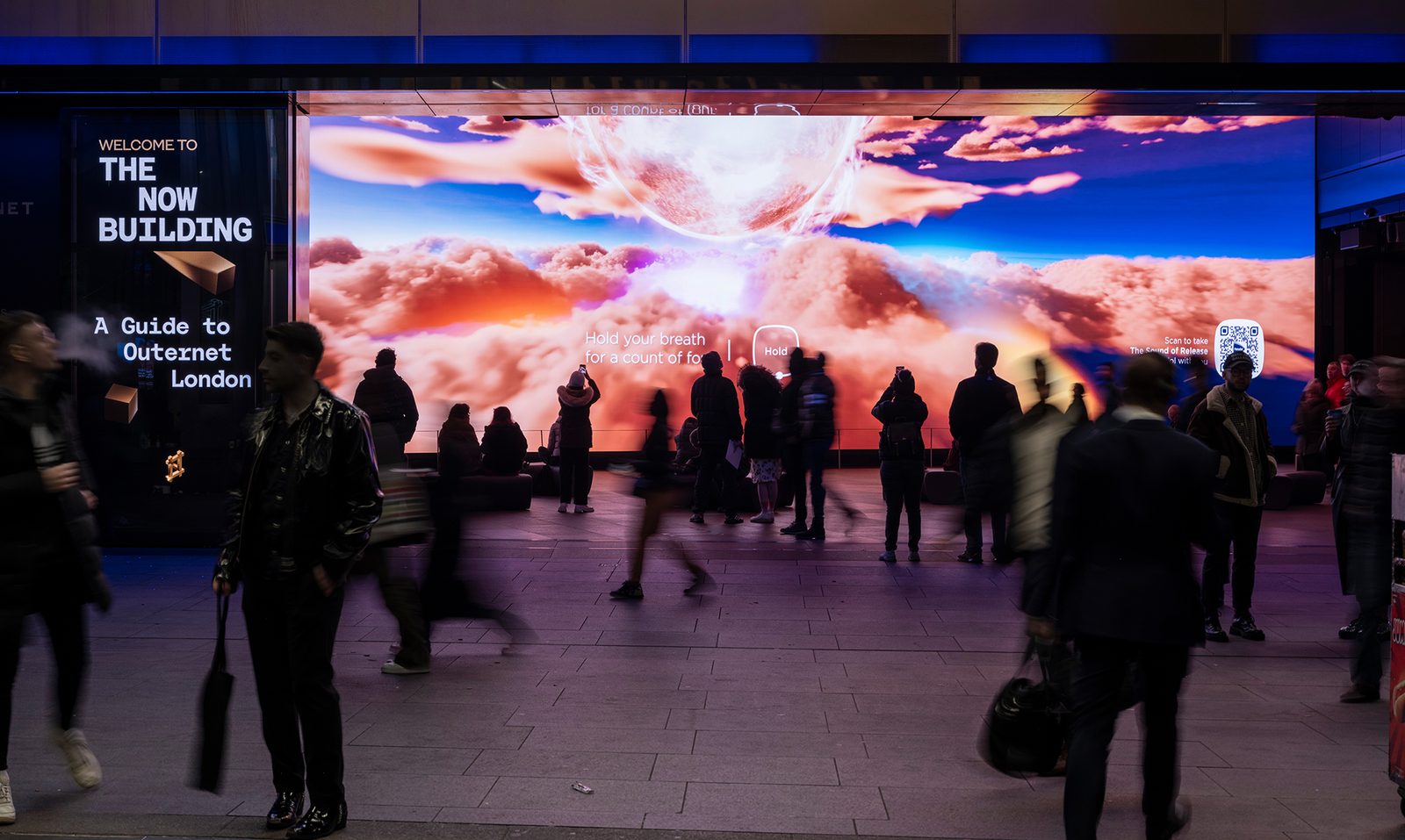
Room to Breathe — immersive room
'Room to Breathe' is an immersive room that Pixel Artworks created for Outernet London's Now Building. It pairs music and visuals with paced breathing exercises. Through White Mirror, we studied it in our Lisbon lab with 25–30 participants in a single-group A–B design: a 10-minute baseline, then a 10-minute session. Measures were EEG, ECG/HRV, respiration, skin conductance, SpO₂, temperature and self-reported stress. No control group. Report delivered to the client.
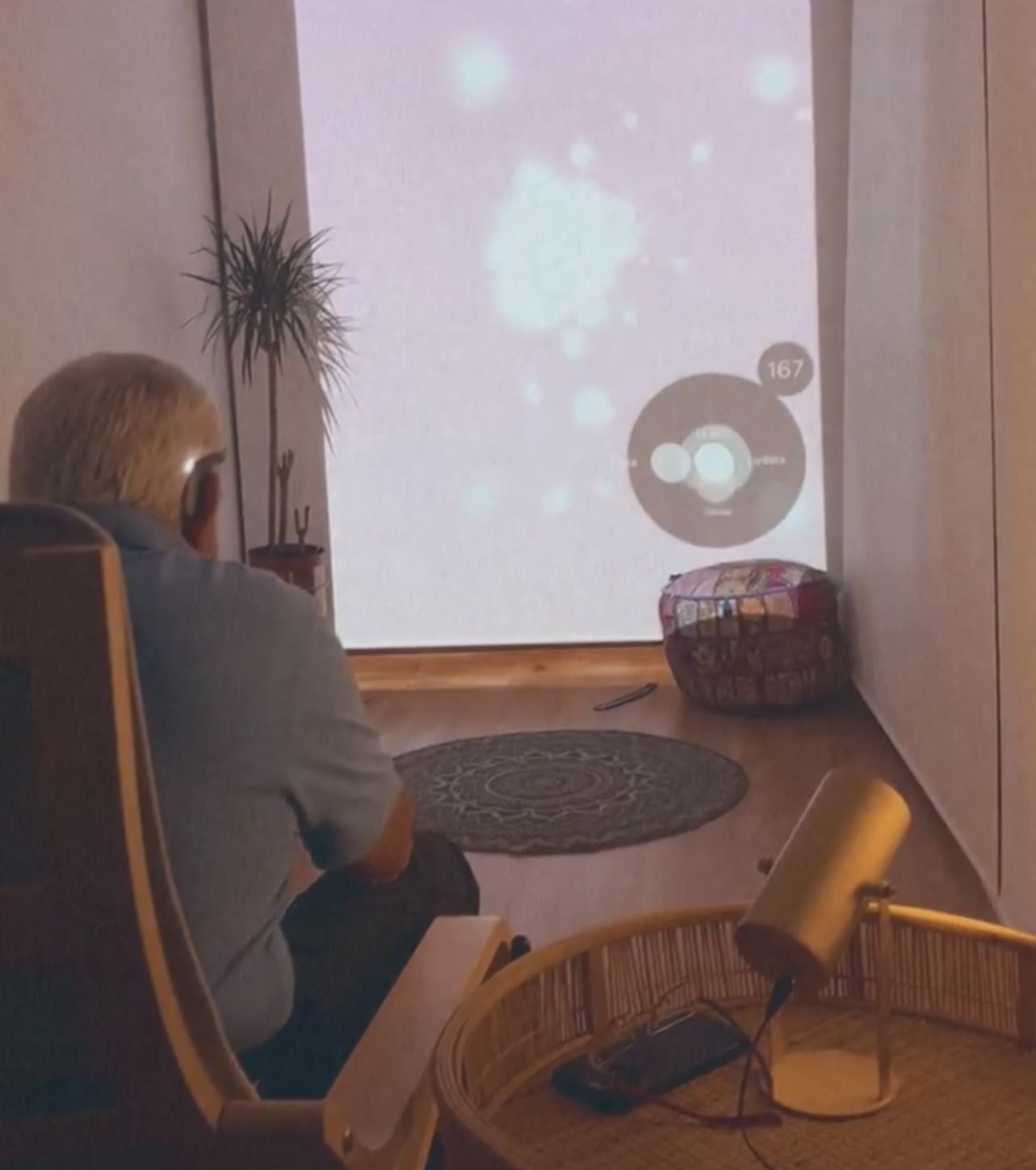
Remote contemplative practice — two studies
Two psychophysiological studies for a provider of a remote contemplative practice (client confidential): a single-visit pre/post study and a 9-month follow-up, with EEG, ECG/HRV, skin conductance, SpO₂, respiration and an attention test. Uncontrolled designs; MuLabs designed, ran and reported both.
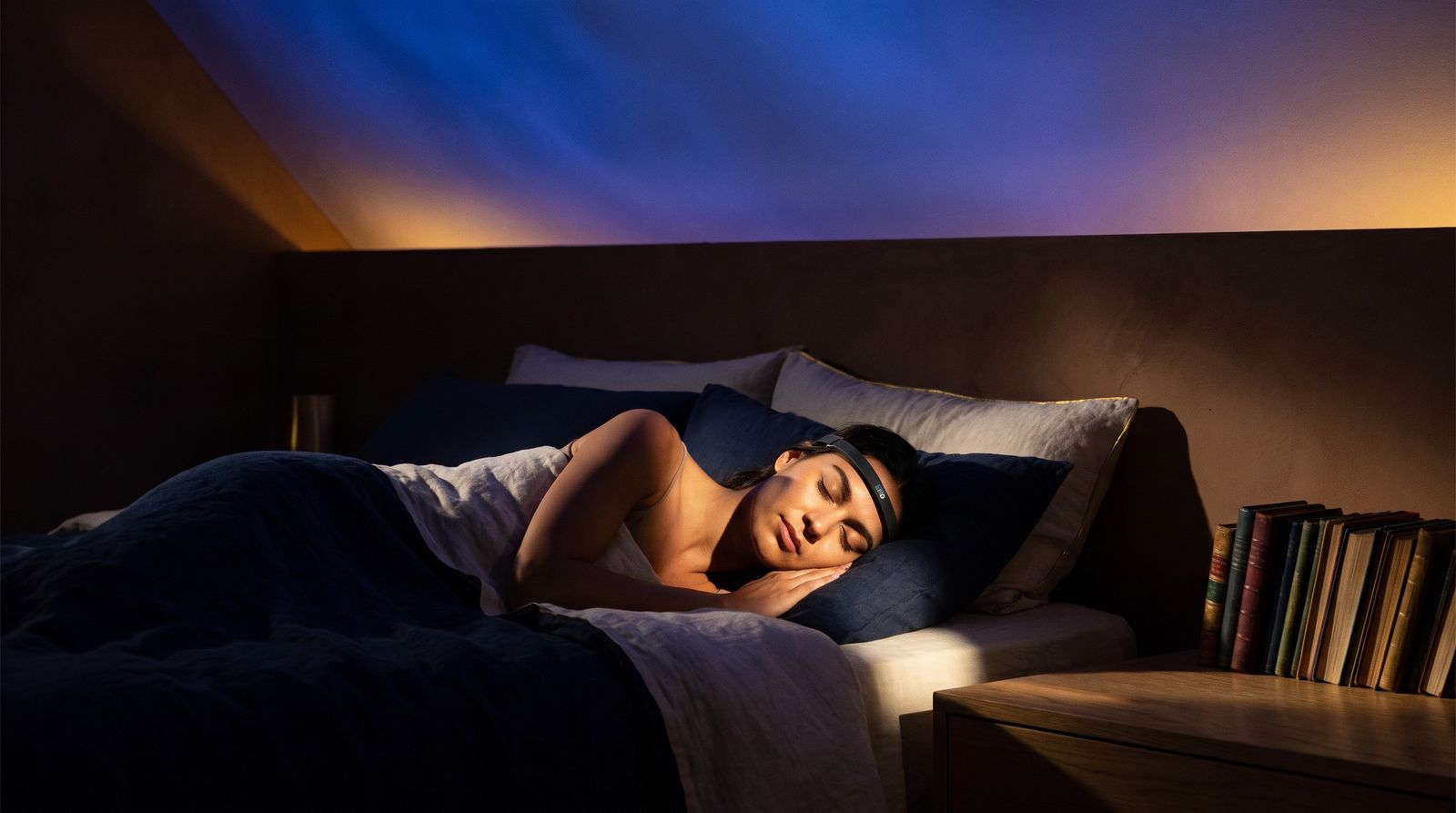
Sleep soundtrack — pilot series
Exploratory pilot of a sleep soundtrack for a US client (via an agency; confidential): 19-channel EEG, electrodermal activity, ECG and respiration. Report delivered to the client; no effects are claimed. Follow-up pilots for the same client in 2021–2022, including a placebo-controlled crossover pilot (EEG). Exploratory and unpublished.
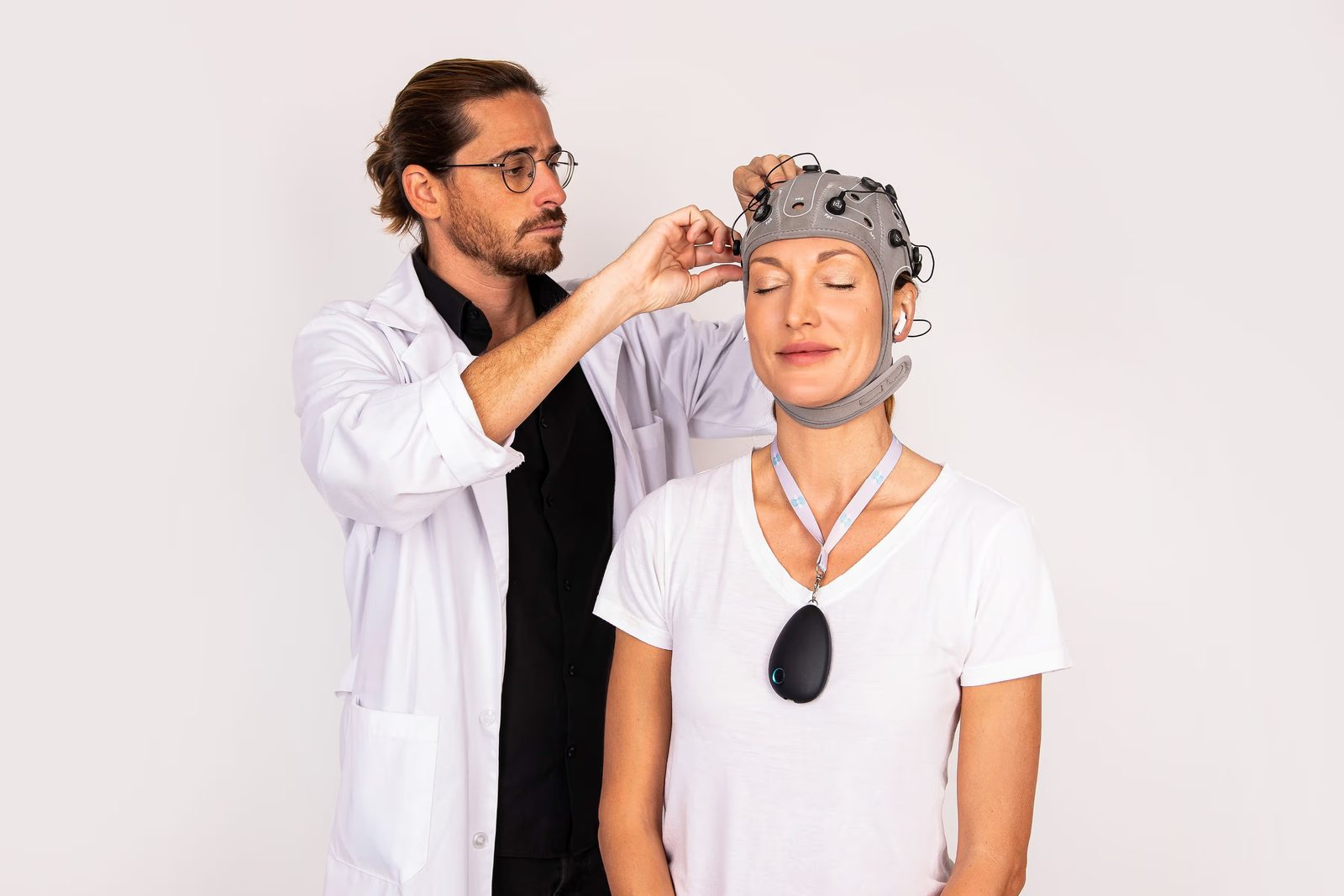
Sensate / BioSelf — validation pilot, two study groups
Sensate / BioSelf Technology: data collection and analysis for the client's validation pilot in our Lisbon lab: 40 participants in two study groups. The device is worn on the chest and plays infrasonic vibration with paired soundscapes. Each group followed an A–B–A design (baseline, a 20-minute session, post measures) with EEG, heart rate/HRV, respiration, skin conductance and questionnaires. Reported to the client.
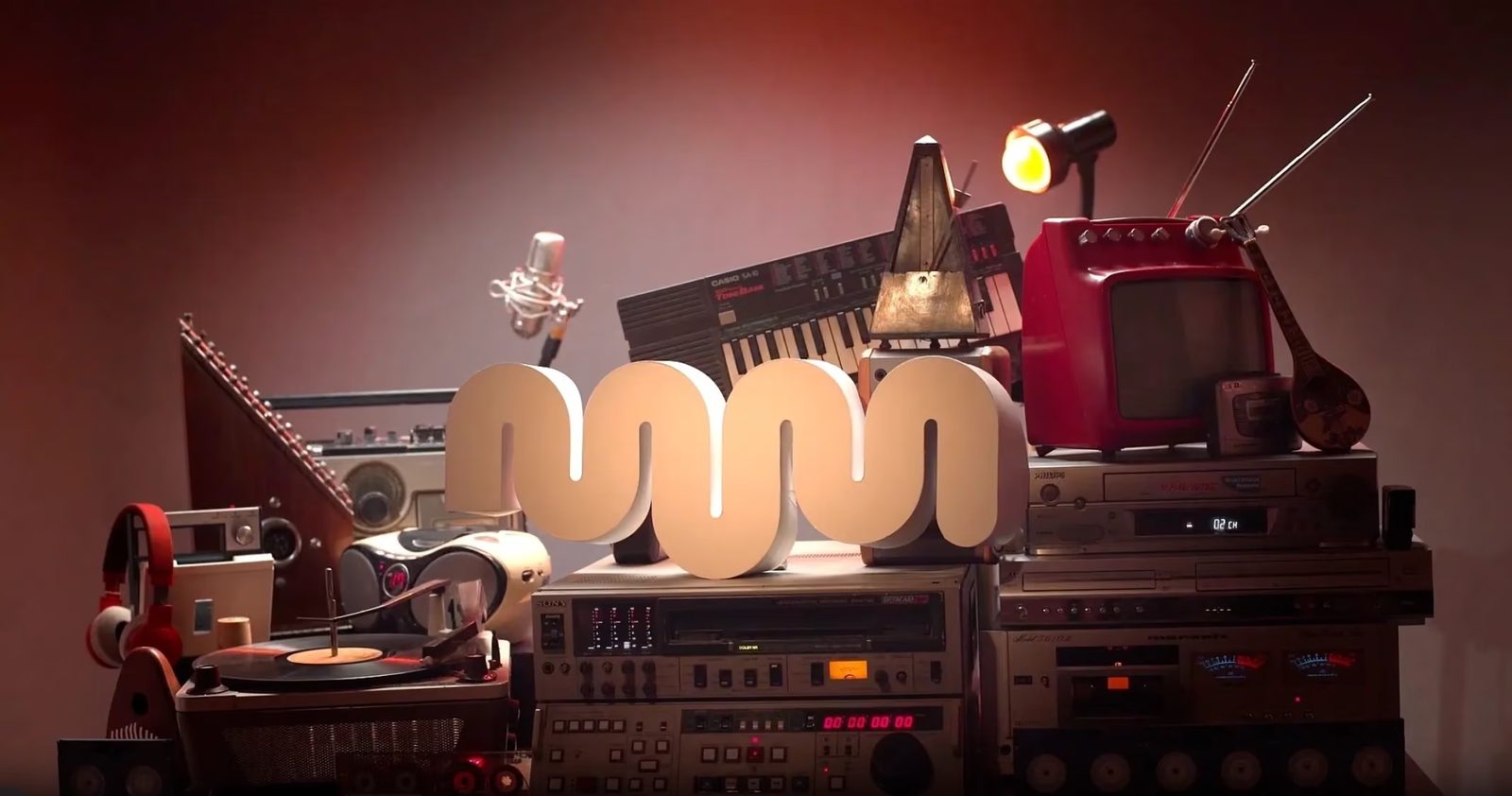
Sonic identity — consumer brand
Neurophysiological test of a sonic identity for a consumer brand (via the sound agency MassiveMusic; brand confidential). Short sonic-logo variants were compared through event-related potentials (ERP), run by a partner university lab, alongside 19-channel EEG, EDA, ECG and respiration. Exploratory; report delivered to the client.
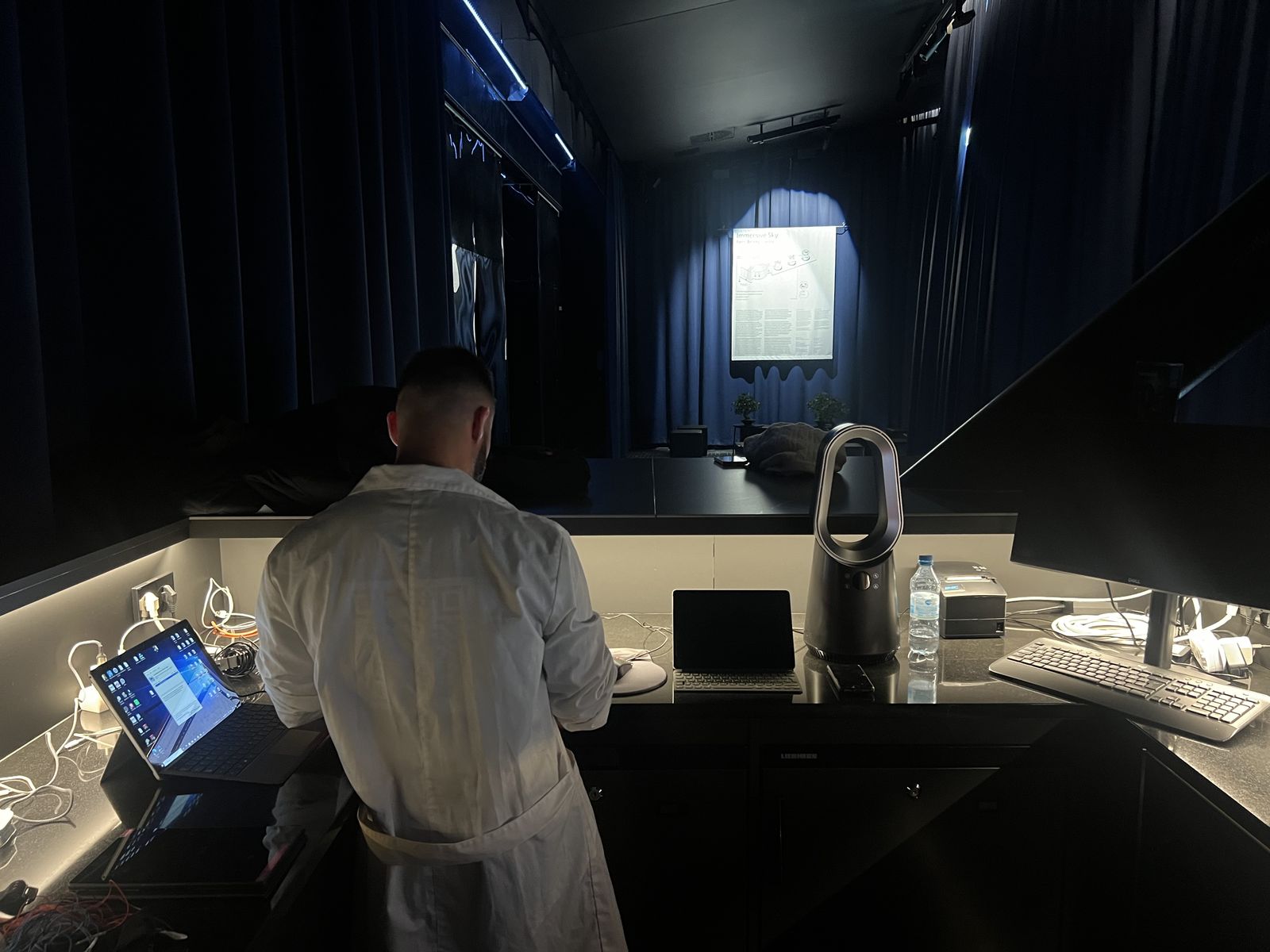
Randomised crossover pilot — private client
Contracted pilot study for a private client (Bulgaria): a randomised within-subject crossover with 19-channel EEG and autonomic measures. MuLabs drafted the contract and protocol and leads data collection. Registered on OSF before analysis; results go to the client as a white paper.
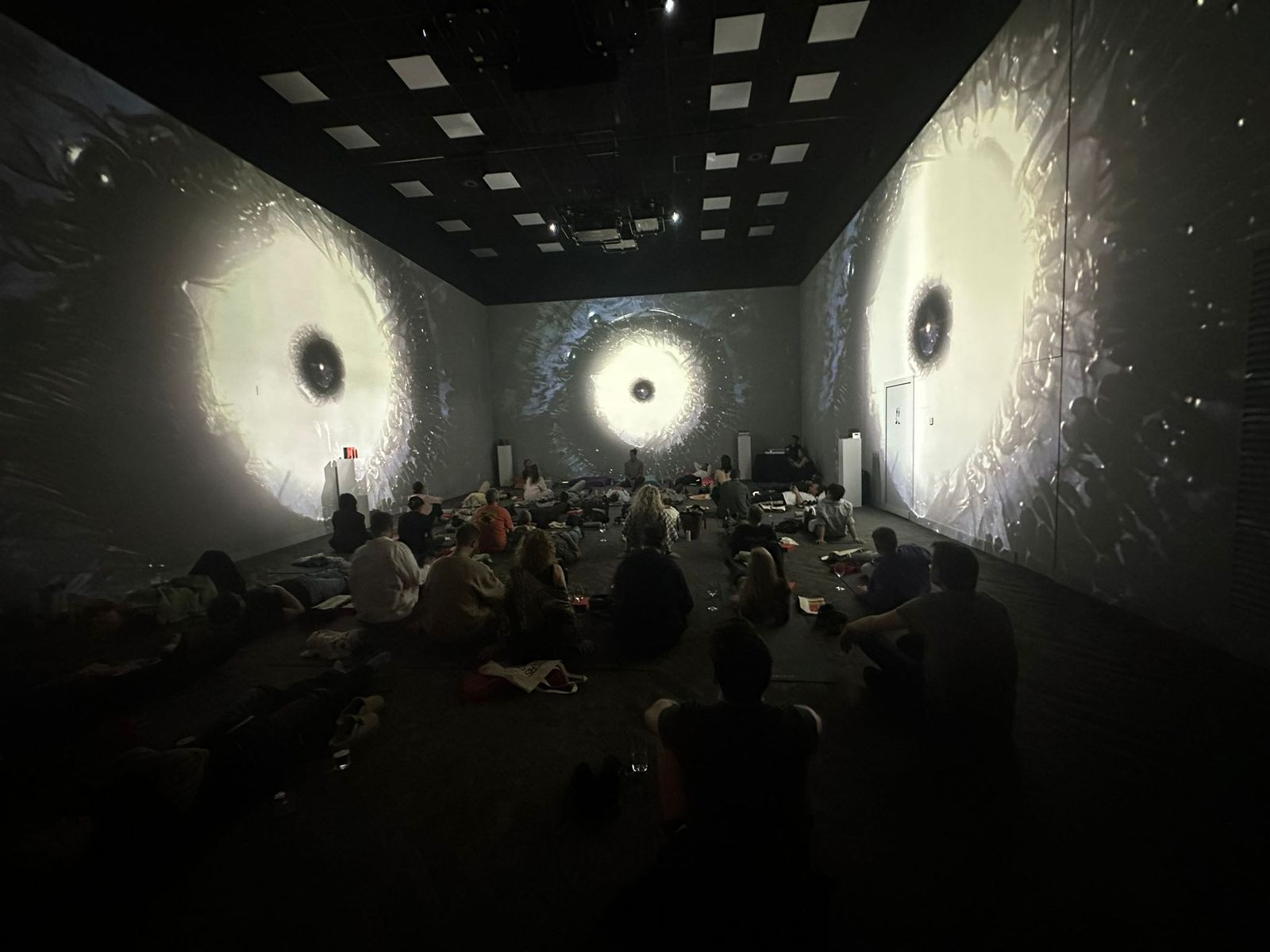
Breath Lab — MuLabs × Alchemy Rewire
A live wellbeing format combining CO₂-tolerance breathwork, EEG rendered as generative art, Bio-Well sonification and rhythmic light; 8 activations in 5 countries. It is an experience, not a study: no research results are claimed.
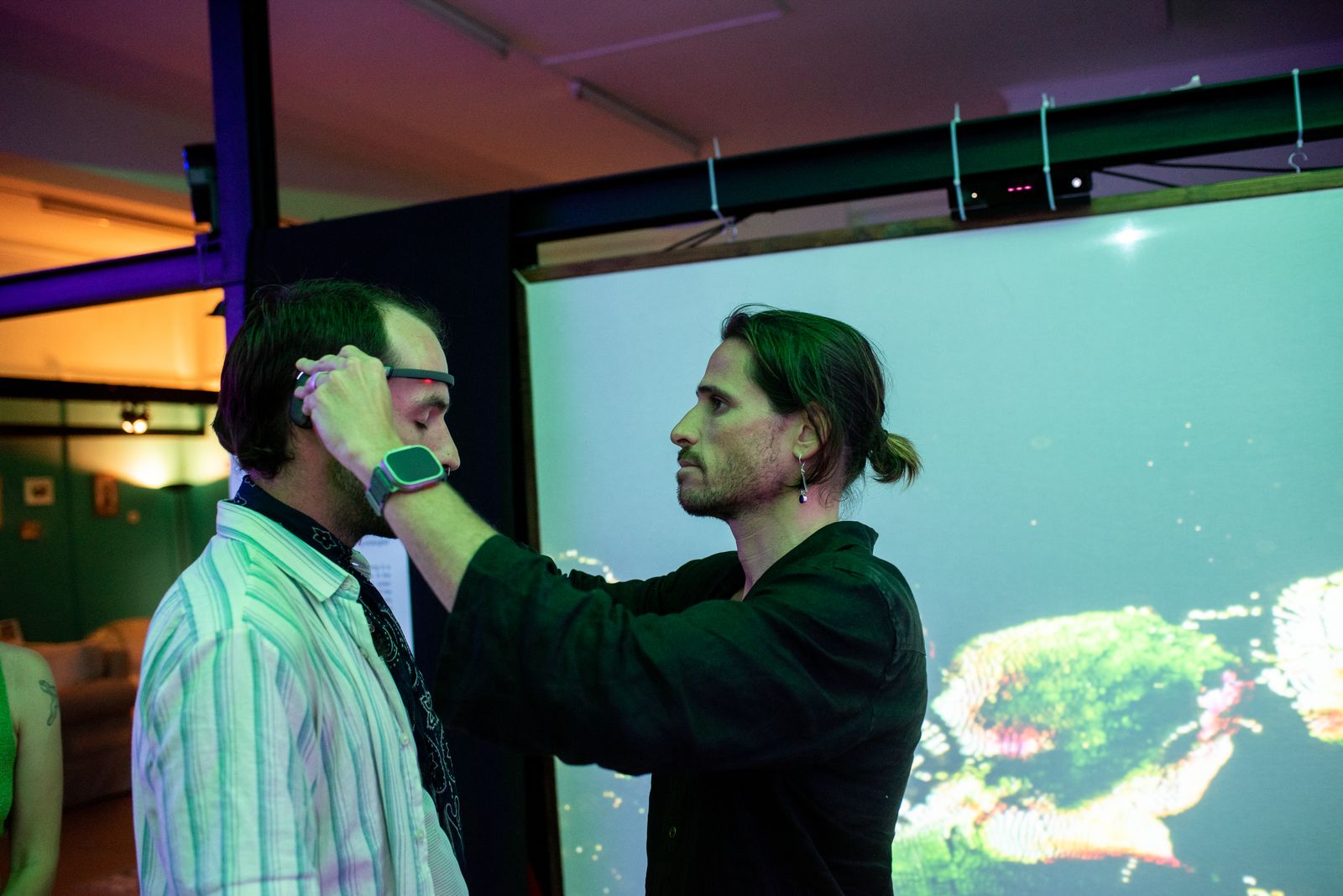
Garbicz Festival — mini-qEEG sessions
Garbicz Festival, Poland: individual mini-qEEG sessions with a consumer EEG headset in the festival's wellness area. A service activation, not a study.
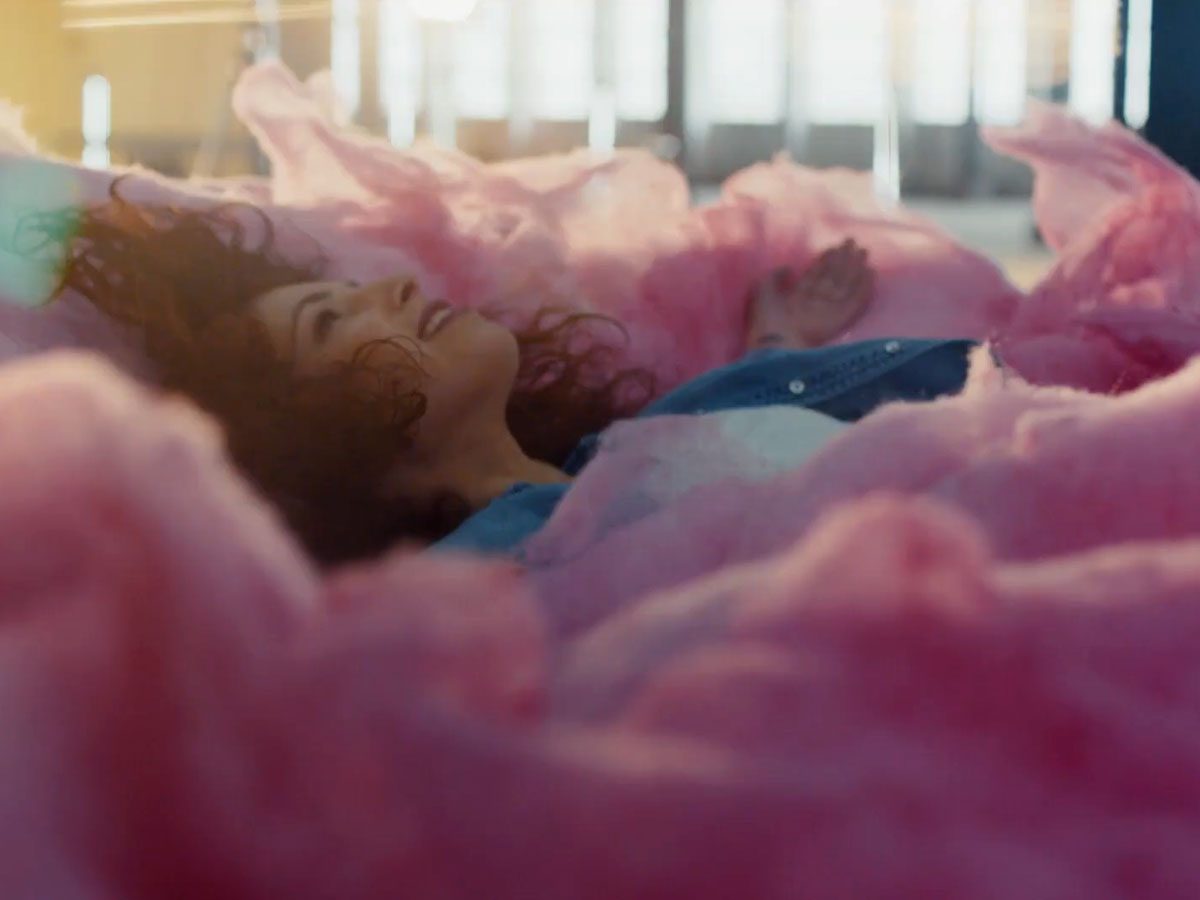
Farfetch — 'Touch the Impossible'
Farfetch, 'Touch the Impossible' campaign (AKQA): EEG metrics (Emotiv) demonstrated on employees for the campaign film. Not a research study.
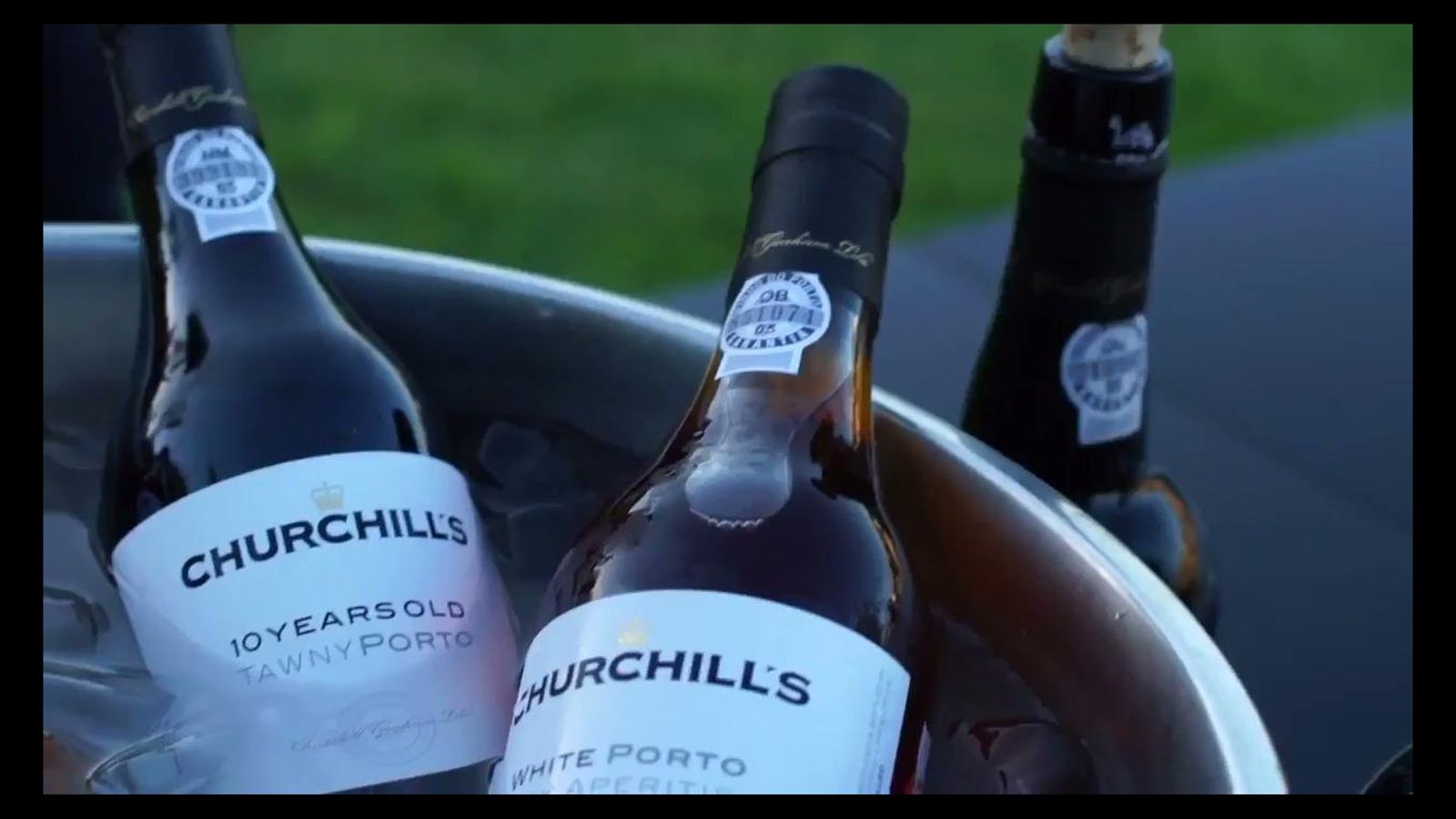
Taste Discovery — EEG at a Port wine tasting
Taste Discovery (MuArts): a live experience in which participants' EEG drives audiovisual projection during a Port wine tasting (Frey Wines / Re-Think Port Wine). An activation, not a study.
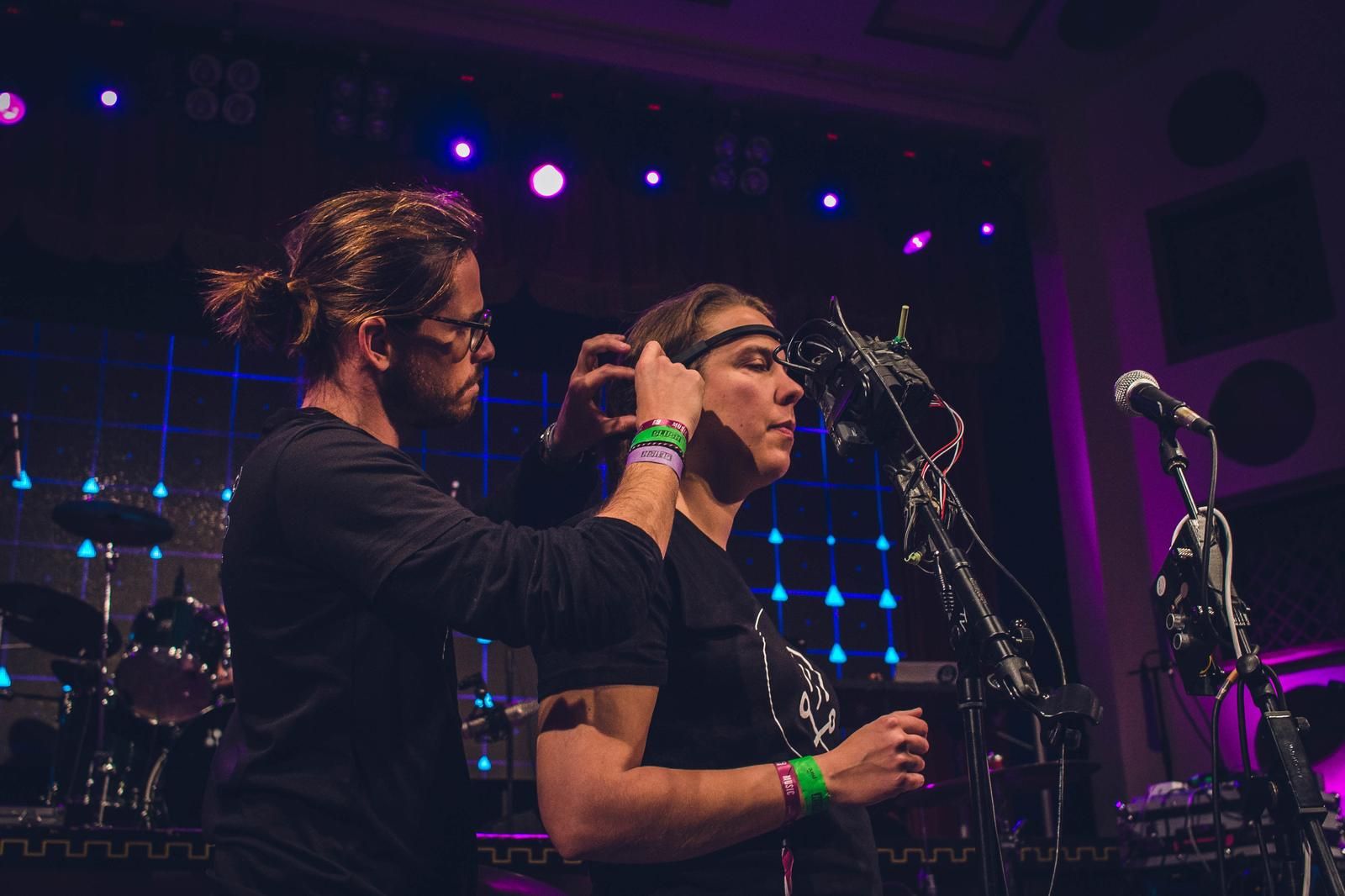
Biohacker Summit Amsterdam
Biohacker Summit Amsterdam: multisensory cube installation and performances, with White Mirror. An activation, not a study.
Biometric sonification — telecom campaign
Creative biometric-sonification piece for a telecom brand's advertising campaign, with a sonic-branding agency (via White Mirror).
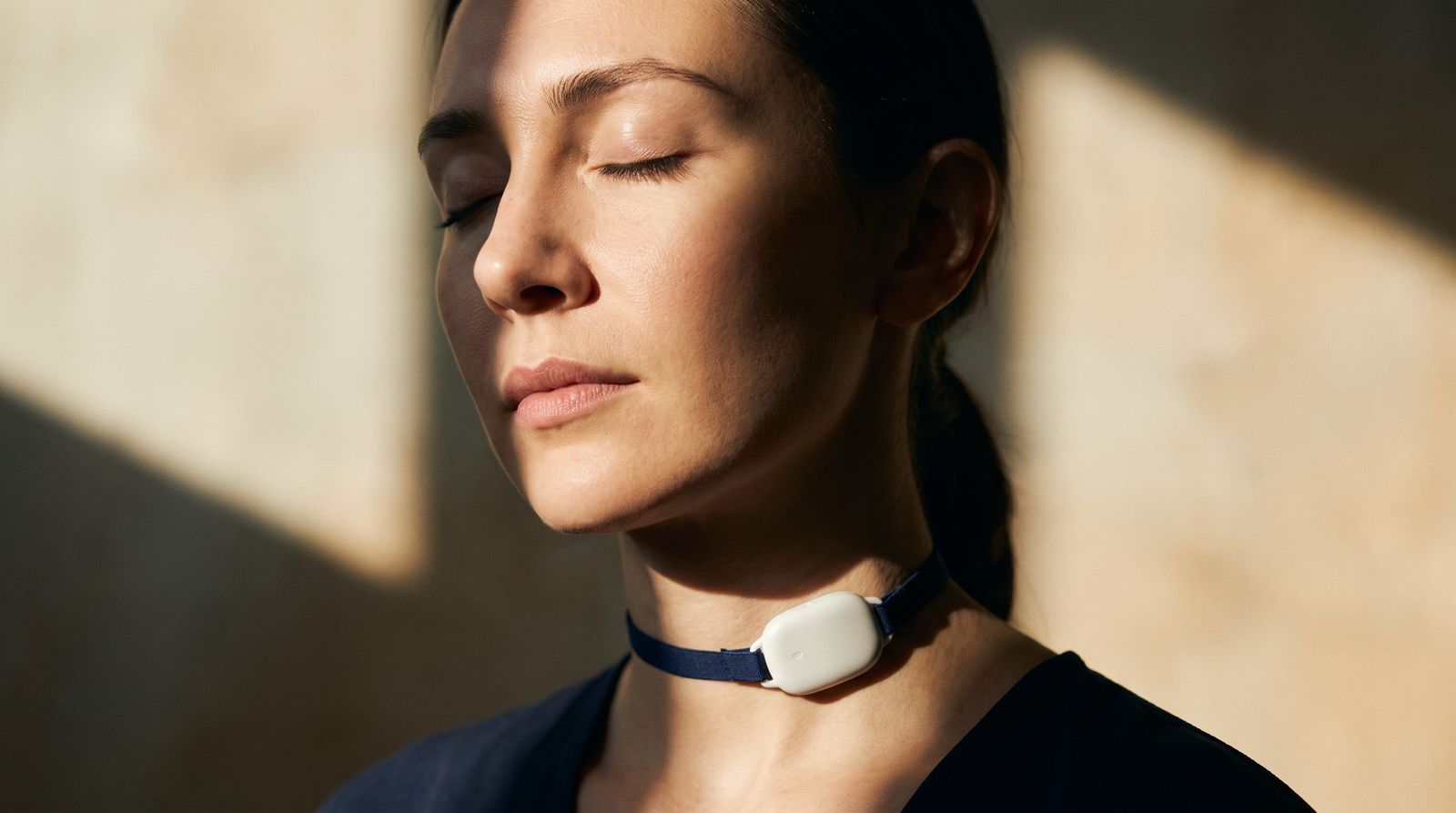
SONA — vagus-nerve stimulation study design
SONA (UK): design and budget for an EEG validation study of a vagus-nerve stimulation device, plus a one-person technical set-up test. The main study was postponed by the client.
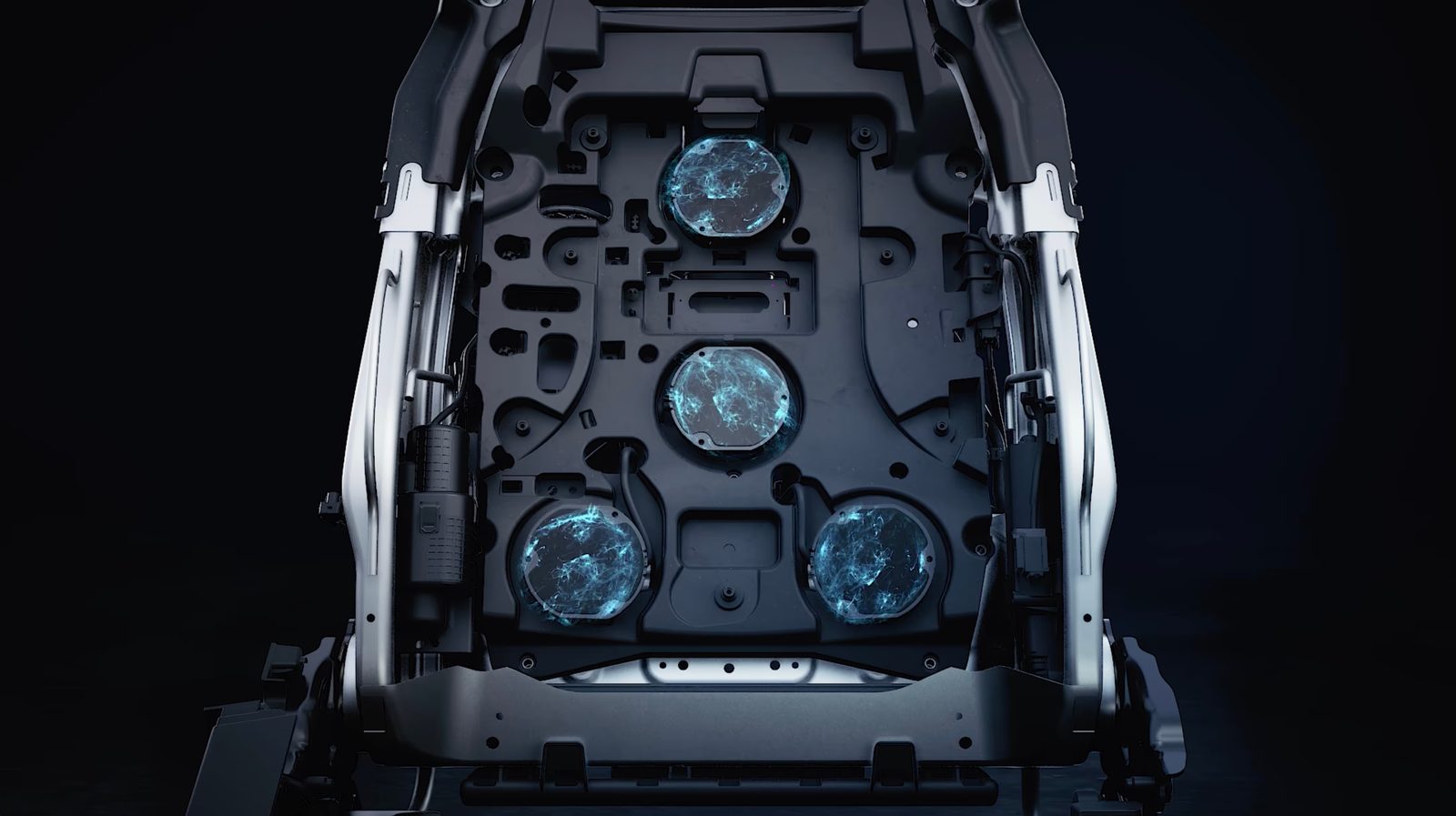
Body and Soul Seat — Jaguar Land Rover
Measurement pilot design for the Body and Soul Seat, a seat-integrated vibroacoustic system with functional music that White Mirror and SUBPAC developed for Jaguar Land Rover.
Trauma-informed yoga in prisons — study co-design
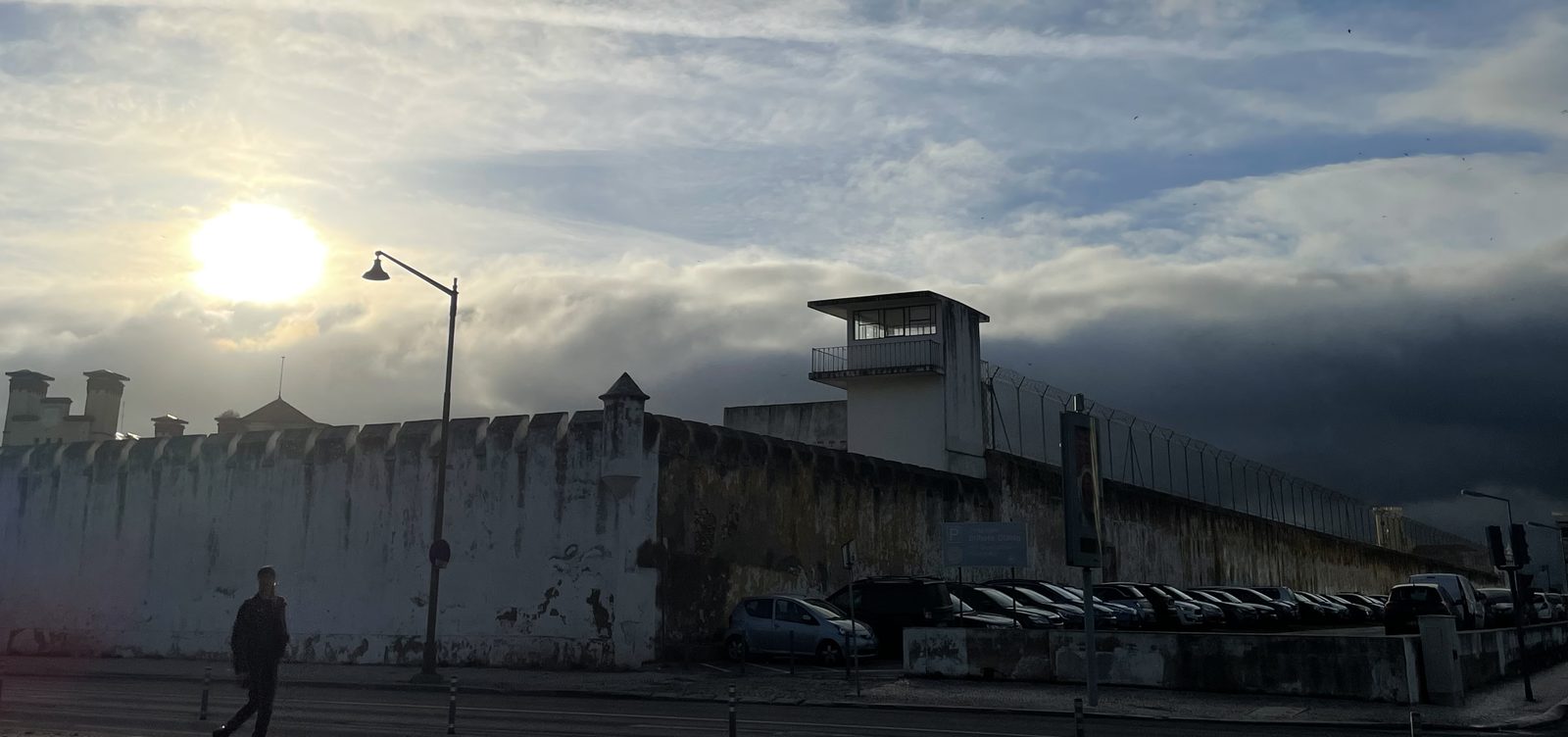
ALMAZ / Prison Yoga Project Portugal: scientific advisory and co-design, with the University of Porto Neuropsychophysiology Laboratory, of a neurophysiological study of trauma-informed yoga in prisons (in preparation; not yet run); trauma-neuroscience training for the programme's teachers.
No projects in this category.
Clients & stages
Who we have worked with.
Clients and partners






Where our work has been shown






Standards
What we will say.
What we won’t.
We will say
- What we measured, with which instruments, in how many people.
- The design, plainly: controlled or not, randomised or not, pre-registered or not.
- Exploratory results, labelled exploratory.
- Null results, reported as null.
- Claims we withdrew, and why.
- Who owns the data, and where the write-up stands.
We won't say
- Therapeutic or diagnostic claims. MuConsultancy is research, not a clinic.
- “Proven”, “validated”, “clinically”, “breakthrough”.
- A publication that has not happened. Today our write-ups are in preparation.
- A client's name without written permission.
- Participant photos, recordings or individual data.
- Responder percentages from uncontrolled designs.
Our rule since 2026: ethics review and pre-registration come before collection for any study meant for publication. Everything else is reported as a white paper. Every result is reviewed by a person before release.
Start
Tell us the state
you want to understand.
A 30-minute call. Your question, your context, your constraints. We tell you what can be measured, how, and what it cannot show.